Sport climbing in Kalymnos
The Greek island built for clipping bolts — sea views, tufas and endless easy-access routes.
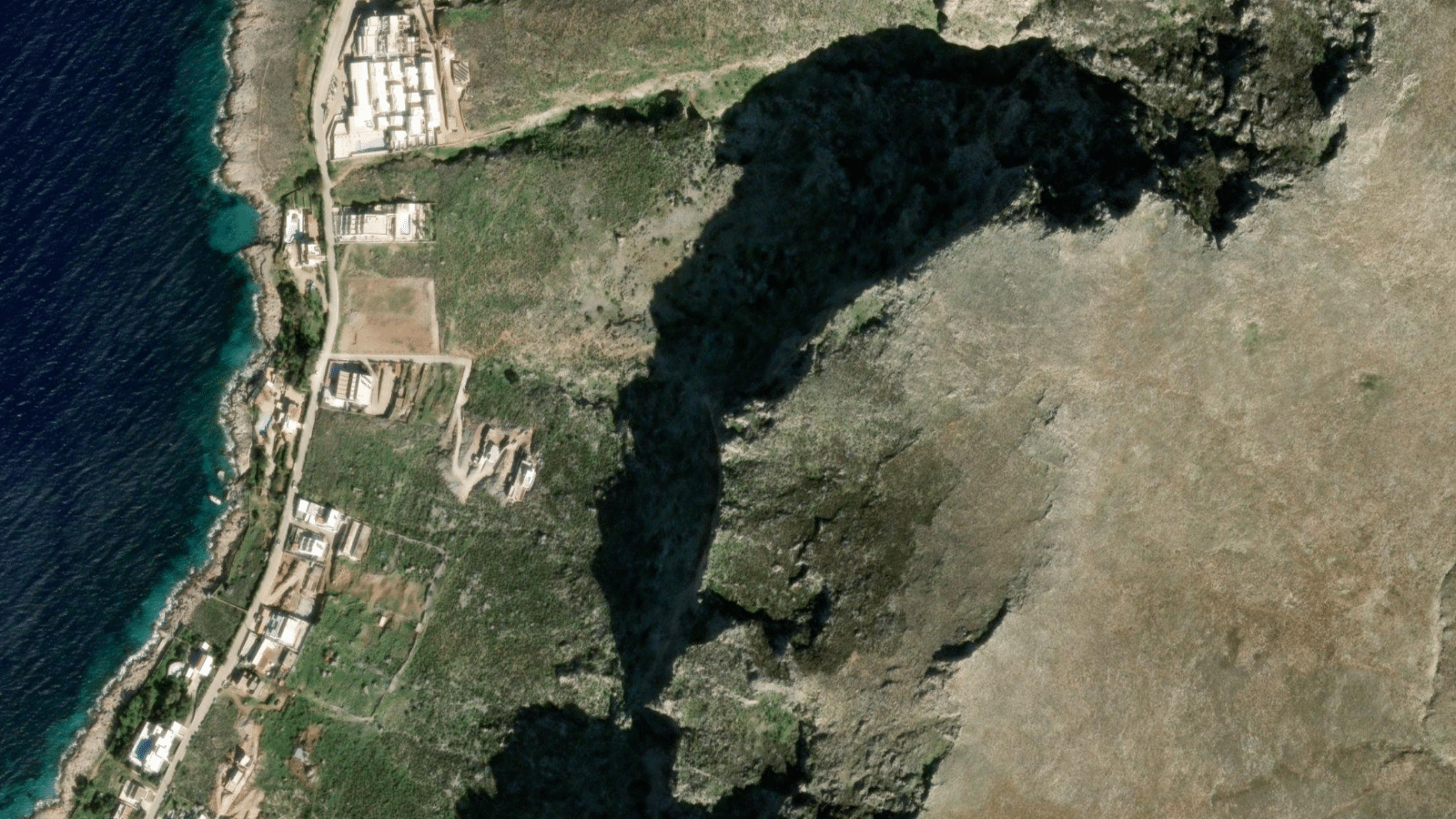
The island made for clipping bolts
Kalymnos is a small Greek island in the Dodecanese that has quietly become one of the world's favourite sport climbing destinations. The reasons stack up quickly: thousands of bolted routes, grippy grey and orange limestone, short walk-ins, warm sun, blue sea, and a relaxed island culture that welcomes climbers. For a lot of people it is the perfect first climbing holiday abroad, and for many it becomes an annual fixture.
What makes it so good is how easy it is to climb a lot. The crags are close together, the approaches are short, and there are routes at every grade, so a mixed group can all find something to do at the same wall.
Tufas and what the climbing is like
Kalymnos is famous for its tufas. These are flowing, dripping formations of limestone that hang down the steeper walls like frozen waterfalls, and climbing them is one of the most distinctive experiences in the sport. You pinch, squeeze and stem your way up features that look impossible from the ground, often on surprisingly positive holds. Alongside the tufas there is plenty of vertical wall climbing on pockets and crimps, and steep, juggy caves where the moves are big and the position is wild.
The grade range is huge. Beginners find gentle, well-protected routes to build confidence on, while the hard cave lines have hosted some of the most impressive climbing anywhere. A few things characterise the place:
- Steep and juggy. Much of the best climbing is overhanging on good holds, which is both fun and forgiving.
- Generous bolting. Routes are well equipped, which makes leading less intimidating for newer sport climbers.
- Endless options. With so many sectors, you can always find shade, sun or shelter depending on the day.
When to go
The shoulder seasons are best. Spring and autumn give warm but comfortable temperatures and good conditions across most of the crags. High summer is generally too hot for serious climbing, though early mornings and shaded, sea-facing walls can still work. Winter is mild enough that some climbers visit then too, chasing the sunny sectors. For most people, a trip in spring or autumn hits the sweet spot of good weather and good friction.
Practicalities
Getting there usually means flying to a nearby larger island and taking a ferry across, which adds to the sense of arriving somewhere a little out of the way. Once there, the climbing infrastructure is excellent and geared around visitors.
A few things worth knowing:
- A 70-metre rope is the sensible choice, as some routes are long, and always tie a knot in the end before lowering.
- Bring plenty of quickdraws, as longer routes can swallow a dozen or more.
- Learn to thread a lower-off and clean a route properly before you go, or climb with someone who can.
- A wide-brimmed hat, sun cream and lots of water are essential on the sunnier sectors.
The island makes it easy to combine climbing with everything else a Greek holiday offers — swimming, good food and slow evenings by the harbour. Plenty of people who came purely for a couple of weeks of climbing end up returning year after year. Keeping a tick list of the sectors and routes you have done makes planning the next trip far easier, because with thousands of routes on offer, it is genuinely hard to remember where you have already been.
Satellite imagery: Esri, Maxar, Earthstar Geographics
More from the blog
 Locations & crags
Wet sandstone: why you wait for it to dry
Sandstone is at its weakest when it is wet, and a hold that breaks does not come back. Why damp rock crumbles, how to tell when it is properly dry rather than dry on the surface, and what to climb instead on a wet weekend.
 Locations & crags
Bouldering at Stanage
The most famous gritstone edge in the world, and why every UK climber ends up there eventually.
 Locations & crags
Climbing in the Peak District
Gritstone edges and limestone crags within reach of half of England — a tour for visiting climbers.