Climbing in the Peak District
Gritstone edges and limestone crags within reach of half of England — a tour for visiting climbers.
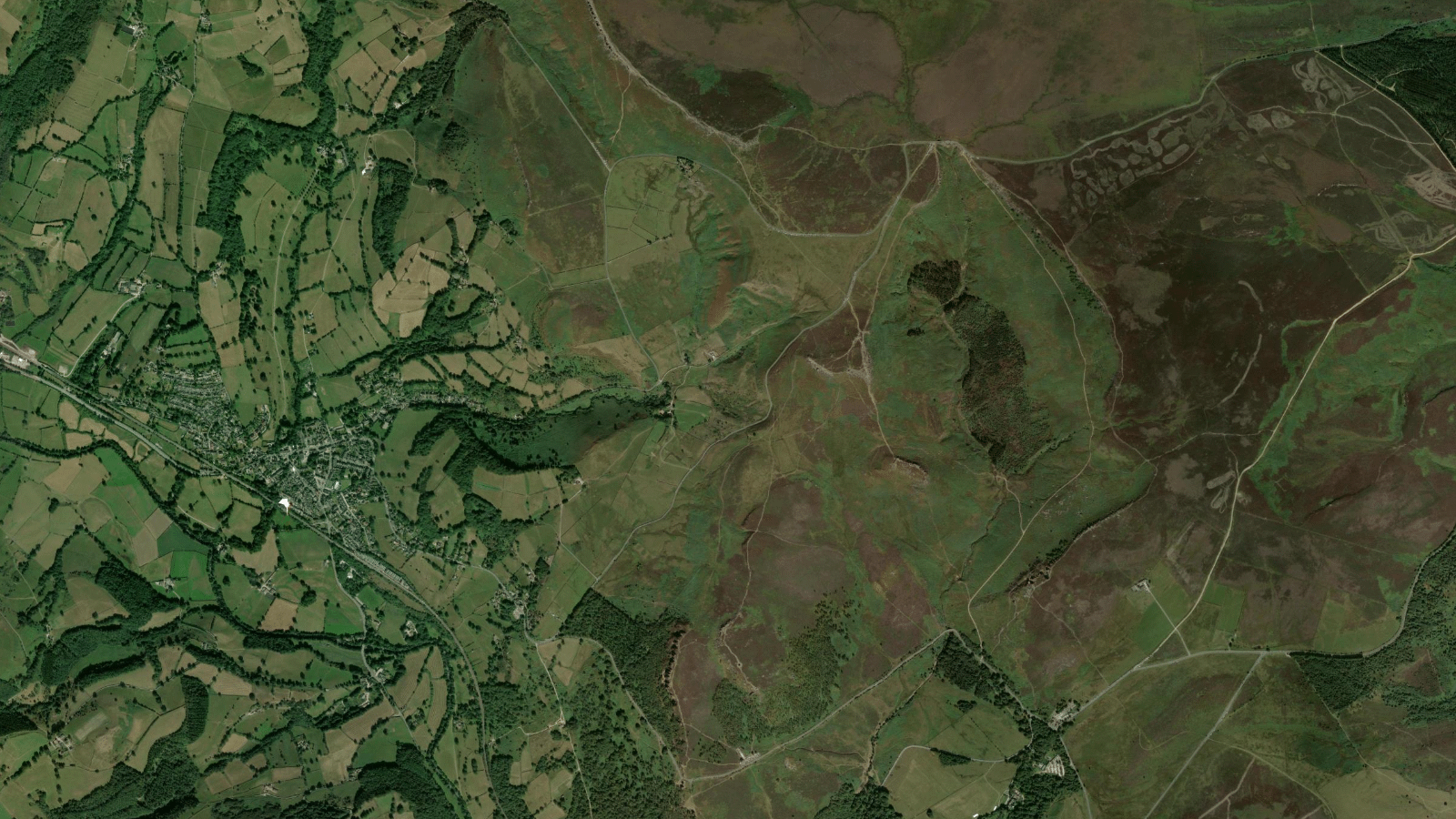
Two kinds of rock in one national park
The Peak District sits in the middle of England, ringed by Manchester, Sheffield, Derby and the M1, which means a huge slice of the country can reach it within a couple of hours. What it offers, almost uniquely, is two completely different climbing styles within a short drive of each other: rough gritstone in the Dark Peak to the north and east, and steeper, smoother limestone in the White Peak to the south. Learn to climb both and you have a thorough education in British rock.
Gritstone: the soul of it
Gritstone is what the Peak is famous for. The edges — long, broken lines of dark sandstone perched on hillsides — give some of the most distinctive climbing anywhere. The rock is coarse and grippy, the holds are rounded, and the style is all about friction, balance and commitment. Cracks take hand jams and protection, while the blanker faces ask you to trust your feet on smears and pull on slopers that feel like nothing until you weight them properly.
Grit has a reputation, and it is partly deserved. The grades can feel stiff, especially on the bold, sparsely protected face climbs the area is known for. But there is plenty here for everyone:
- Stanage Edge is the headline act, with hundreds of routes and superb bouldering along its length.
- Burbage, Froggatt and Curbar offer everything from gentle cracks to terrifying highballs.
- The Roaches and Hen Cloud in the Staffordshire moorlands give a wilder, more remote feel.
Grit also boulders beautifully. Many climbers come purely for the blocs scattered beneath the edges, with their slopers, mantles and committing topouts.
Limestone: steeper and more sustained
Cross into the White Peak and the rock changes entirely. The limestone dales hold steep sport and trad crags with a more continental feel — pockets, crimps and sustained, pumpy climbing rather than friction and balance. Crags around the Wye and Manifold valleys give bolted sport routes that suit climbers wanting to push their endurance, while there is hard trad here too for those who want it.
If grit teaches you to be calm and precise, Peak limestone teaches you to keep moving while your forearms fill up. The two complement each other well across a season.
Practicalities for a visit
The Peak climbs year-round, but each rock type has its season. Gritstone is best in cool, dry, breezy conditions — autumn through spring is prime, and summer friction can be poor. Limestone, being steeper and often more sheltered, can give good climbing on warmer days and stays in condition through more of the year.
A few things worth knowing before you go:
- Most crags are a short walk from roadside parking, but access is a privilege. Stick to paths, park sensibly, and follow any seasonal nesting restrictions on the edges.
- Grit needs cool, dry skin and dry rock. It holds moisture, so give it time to dry after rain.
- For trad, you will want a standard rack; for grit, a good selection of cams and nuts plus a cool head.
Few areas pack so much variety into such a small space. You can boulder grit in the morning and clip bolts on limestone in the afternoon. Keeping a record of which edges and dales you have visited makes it easy to plan return trips and chase the classics you missed first time round.
Satellite imagery: Esri, Maxar, Earthstar Geographics
More from the blog
 Locations & crags
Wet sandstone: why you wait for it to dry
Sandstone is at its weakest when it is wet, and a hold that breaks does not come back. Why damp rock crumbles, how to tell when it is properly dry rather than dry on the surface, and what to climb instead on a wet weekend.
 Locations & crags
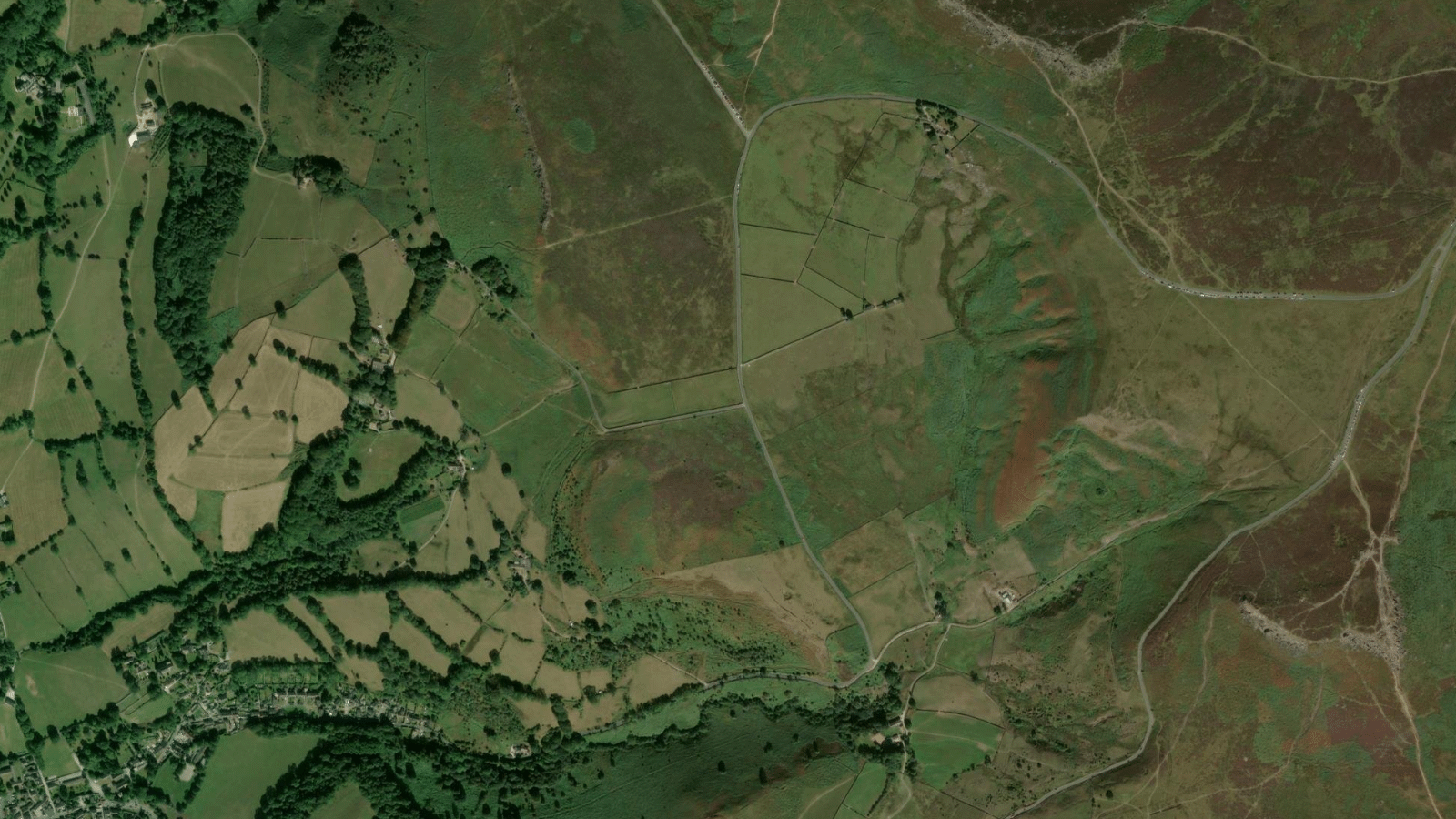
Bouldering at Stanage
The most famous gritstone edge in the world, and why every UK climber ends up there eventually.
 Locations & crags
Bouldering in Fontainebleau
The forest that shaped modern bouldering — what to expect, when to go, and why the sandstone is special.