Bouldering in Fontainebleau
The forest that shaped modern bouldering — what to expect, when to go, and why the sandstone is special.
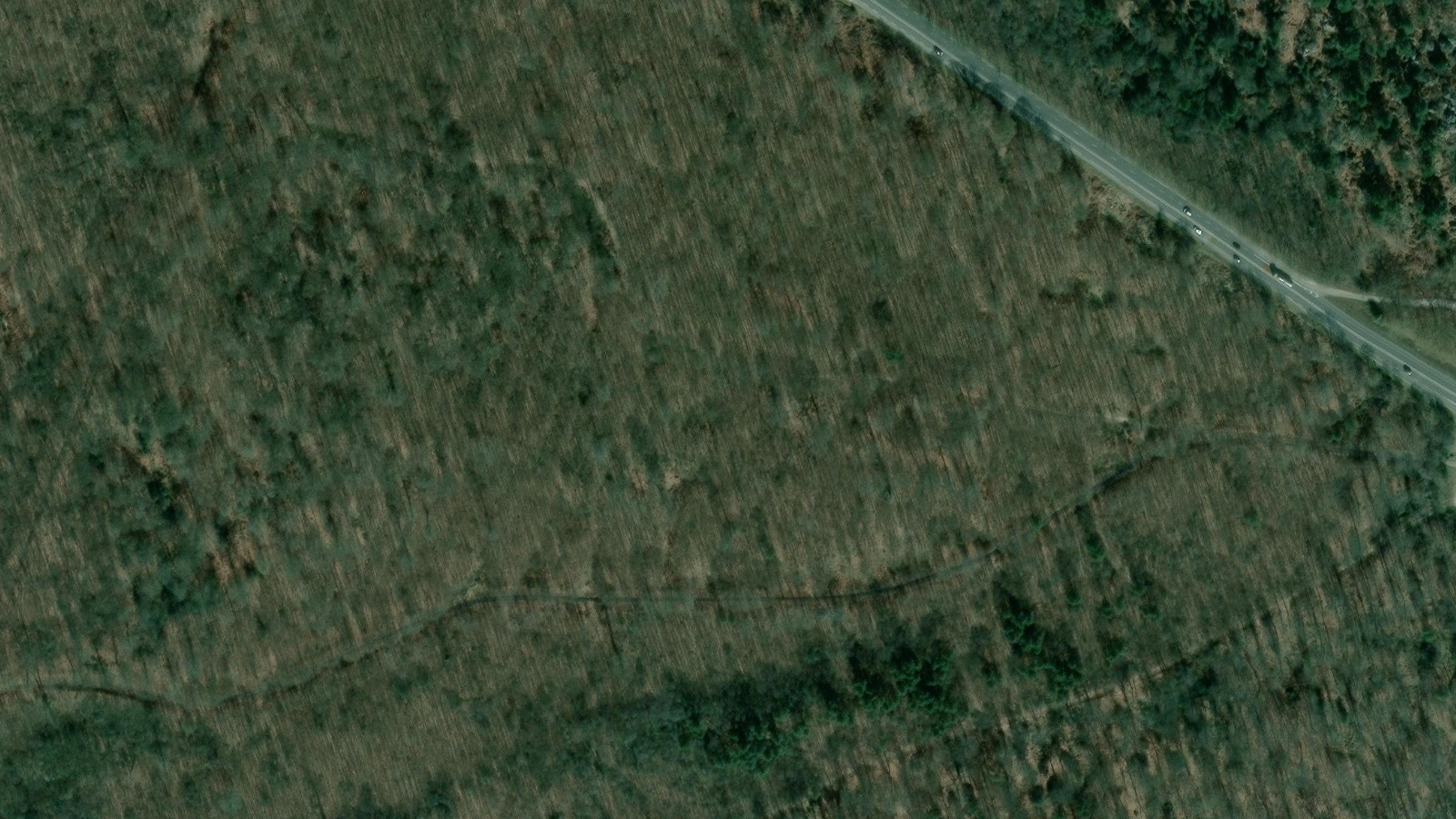
The forest that invented the game
An hour south of Paris, the forest of Fontainebleau spreads out across thousands of hectares of pine and silver birch, and scattered through it are tens of thousands of sandstone boulders. This is where bouldering as a discipline was effectively born. Parisian climbers came here to train for the Alps over a century ago, and over the decades the practice of climbing the blocs for their own sake grew into the sport we recognise today. The local grading system, the Font scale, is still used worldwide.
If you have only ever climbed indoors or on grit, your first session in the forest will be a humbling, brilliant shock. The sandstone is unlike anything else.
What makes the sandstone special
Font sandstone is fine-grained and, when it is in condition, offers extraordinary friction. But it rewards technique far more than power. The holds are rounded — endless slopers, rolling arêtes, shallow scoops and the famous smeary slabs that look blank until you trust your feet. People talk about "Font footwork" because the climbing forces you to weight tiny smears precisely and to move with patience rather than thuggery.
This is also delicate rock. When it is wet, sandstone becomes fragile and holds can break, so the unwritten rule is simple: never climb on damp sandstone, and brush off your chalk and tick marks when you leave. Pof, the dried resin some locals traditionally use for grip, is frowned upon by most modern climbers because it glazes the rock over time.
Circuits, not crags
The thing that surprises most first-timers is how Font is organised. Rather than ticking off individual problems, you follow coloured circuits. Each circuit is a numbered series of problems painted onto the rock in a single colour, graded roughly by difficulty:
- Yellow and orange circuits are the gentle, family-friendly introductions.
- Blue circuits are the bread and butter — long, varied, often physical days out.
- Red and black circuits ramp up into serious difficulty.
Following a circuit is a wonderful way to spend a day. You move from bloc to bloc, climbing dozens of problems, building stamina and learning the rock without obsessing over a single hard line. Areas like Bas Cuvier, Franchard and Trois Pignons each have their own character and their own classics.
When to go and what to bring
The forest climbs best in the cooler half of the year. Autumn and spring are ideal — cool, dry air gives the sandstone its best friction. Deep winter can be superb on a crisp, sunny day, while summer is usually too warm and humid for the hard stuff, though shaded blocs and the easier circuits are still pleasant.
A few practical notes for a first trip:
- Bring at least one good bouldering pad, ideally two between a pair. The landings vary from sandy and forgiving to flat slabs of rock.
- Pack a soft brush for cleaning holds and a doormat or piece of carpet to wipe sand off your shoes before each attempt. Climbing with sandy soles ruins both your friction and the rock.
- Gentle shoes with good edging and smearing performance beat aggressive downturned ones for most Font climbing.
The nearby towns make easy bases, and the forest itself is free to access. Few places reward repeat visits like Font does. You can come for a decade and still find new circuits, new slopers to slither off, and new reasons to come back. Keeping a tick list of the circuits and classics you have done helps you remember what to return for, because the names blur together fast once you have climbed a few hundred problems.
Satellite imagery: Esri, Maxar, Earthstar Geographics
More from the blog
 Locations & crags
Wet sandstone: why you wait for it to dry
Sandstone is at its weakest when it is wet, and a hold that breaks does not come back. Why damp rock crumbles, how to tell when it is properly dry rather than dry on the surface, and what to climb instead on a wet weekend.
 Locations & crags
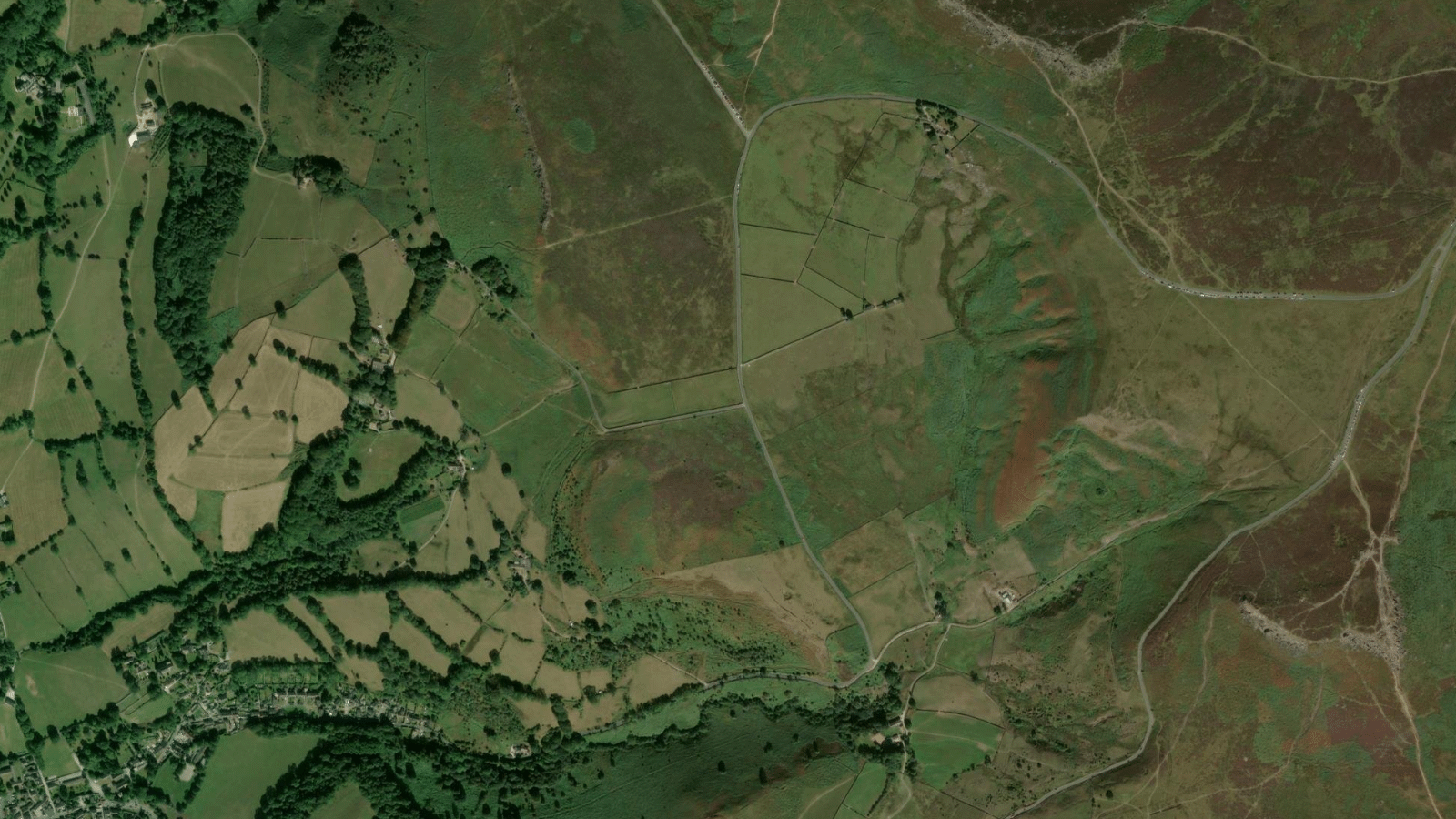
Bouldering at Stanage
The most famous gritstone edge in the world, and why every UK climber ends up there eventually.
 Locations & crags
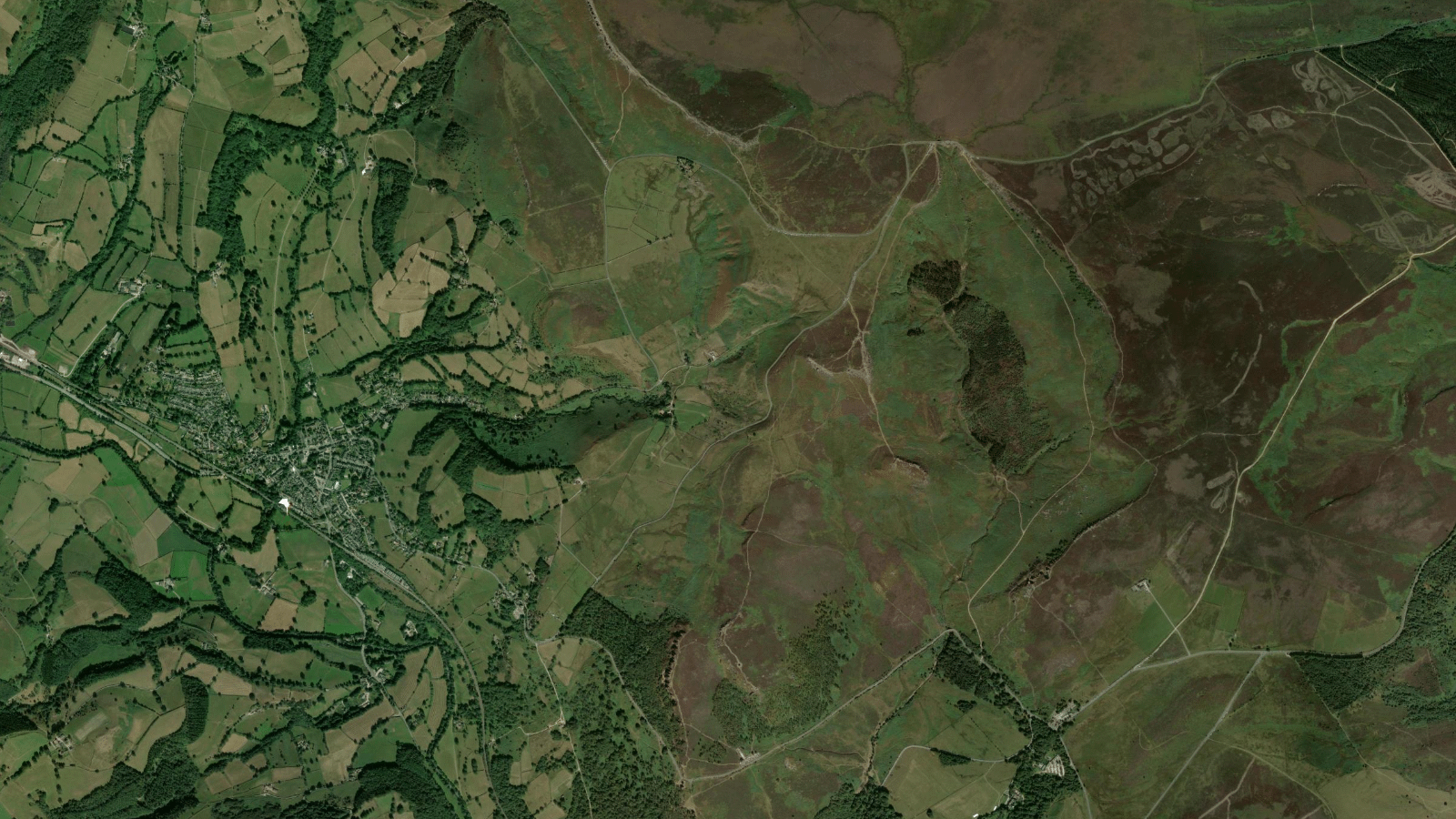
Climbing in the Peak District
Gritstone edges and limestone crags within reach of half of England — a tour for visiting climbers.