Bouldering at Stanage
The most famous gritstone edge in the world, and why every UK climber ends up there eventually.
The edge everyone visits
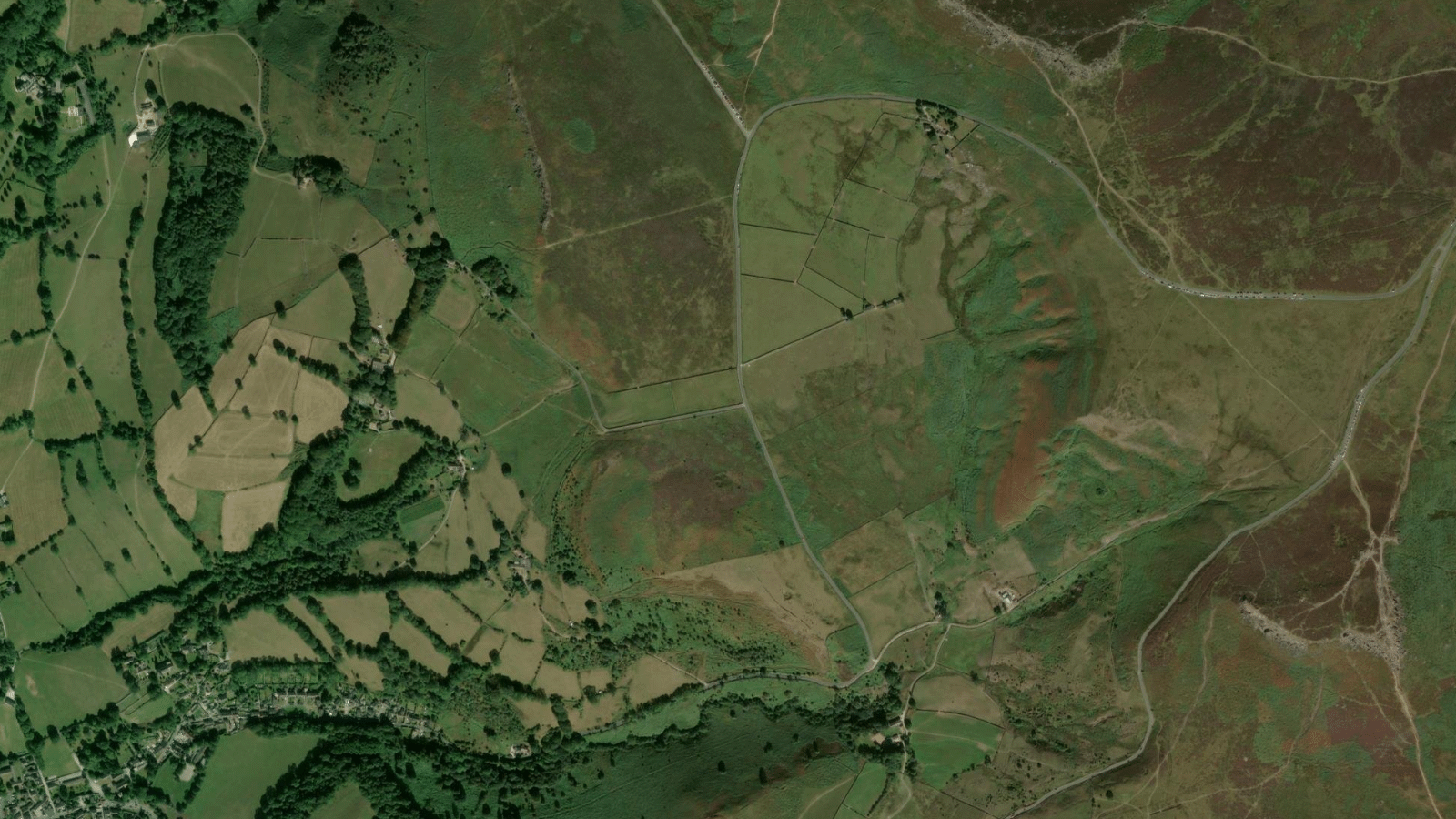
Stanage stretches for several kilometres along a hillside above Hathersage in the Peak District, a long dark ridge of gritstone looking out over the Hope Valley. It is probably the most famous edge in the world, and almost every climber in Britain ends up there sooner or later. Some come for the hundreds of trad routes; just as many come for the bouldering, which is spread along the base of the edge and across the blocks scattered below it.
If you have only climbed grit indoors, the real thing takes some getting used to. But once it clicks, Stanage becomes the kind of place you return to for a lifetime.
What the climbing feels like
Gritstone bouldering at Stanage is a particular flavour. The rock is rough and grippy when conditions are good, but the holds are rounded and unhelpful. You climb on slopers, rounded breaks, shallow crimps and friction smears, and a lot of problems come down to a committing mantle or a topout where the holds run out and you simply have to trust your feet and rock over.
A few things define the experience:
- Friction is king. Cool, dry, breezy days give superb grip. Warm or humid conditions turn the slopers greasy and the grades feel a number harder.
- Topouts matter. Many problems are highballs, finishing well above the pads. Reading the topout before you commit is part of the game.
- Footwork over power. Grit rewards precise, trusting feet far more than raw pulling strength.
The bouldering covers the full range. There are gentle, friendly problems perfect for a first outdoor session, and there are notorious test pieces that have defeated strong climbers for years. You can spend a whole day on easy circuits or throw yourself at a single hard line — both are valid Stanage days.
When to go
Grit is a seasonal rock, and Stanage is best from autumn through to spring. Cold, dry, windy days are what you want, when the friction is at its peak and your skin stays cool. Summer can be poor for the harder stuff, though shaded blocks and easier problems are still enjoyable. The edge dries reasonably quickly after rain given a breeze, but give it time, because climbing on damp grit is both pointless and bad for the rock.
The classic plan is to watch the forecast for a crisp window and then make the most of it.
Going there
Stanage is easy to reach and well loved, which brings responsibilities. Park in the proper car parks rather than clogging the lanes, stick to the paths to limit erosion, and brush off your chalk and tick marks when you finish a problem. Some sections have seasonal nesting restrictions, so check before you go.
Bring a pad or two, a brush for cleaning slopers, and warm layers because the edge is exposed. A flask of something hot makes a winter session far more pleasant.
There is a reason Stanage is the place every UK boulderer ends up. The rock is honest, the setting is beautiful, and there is enough here that you could climb it for years and still have problems left to try. Keeping a tick list as you work along the edge is the best way to remember what you have done and what is still waiting on your next dry, cold day.
Satellite imagery: Esri, Maxar, Earthstar Geographics
More from the blog
 Locations & crags
Bouldering after the clocks go back: how to keep climbing outside through the dark months
The clocks go back on Sunday 25 October and after-work outdoor bouldering suddenly needs a head torch. Why the dark months are some of the best for friction, how to pick a venue for an evening session, what to pack, and how to stay safe once the light has gone.
 Locations & crags
Wet sandstone: why you wait for it to dry
Sandstone is at its weakest when it is wet, and a hold that breaks does not come back. Why damp rock crumbles, how to tell when it is properly dry rather than dry on the surface, and what to climb instead on a wet weekend.
 Locations & crags
Climbing in the Peak District
Gritstone edges and limestone crags within reach of half of England — a tour for visiting climbers.