Climbing on Portland
Sunny limestone sport climbing on the Dorset coast — an ideal place to learn to clip bolts.
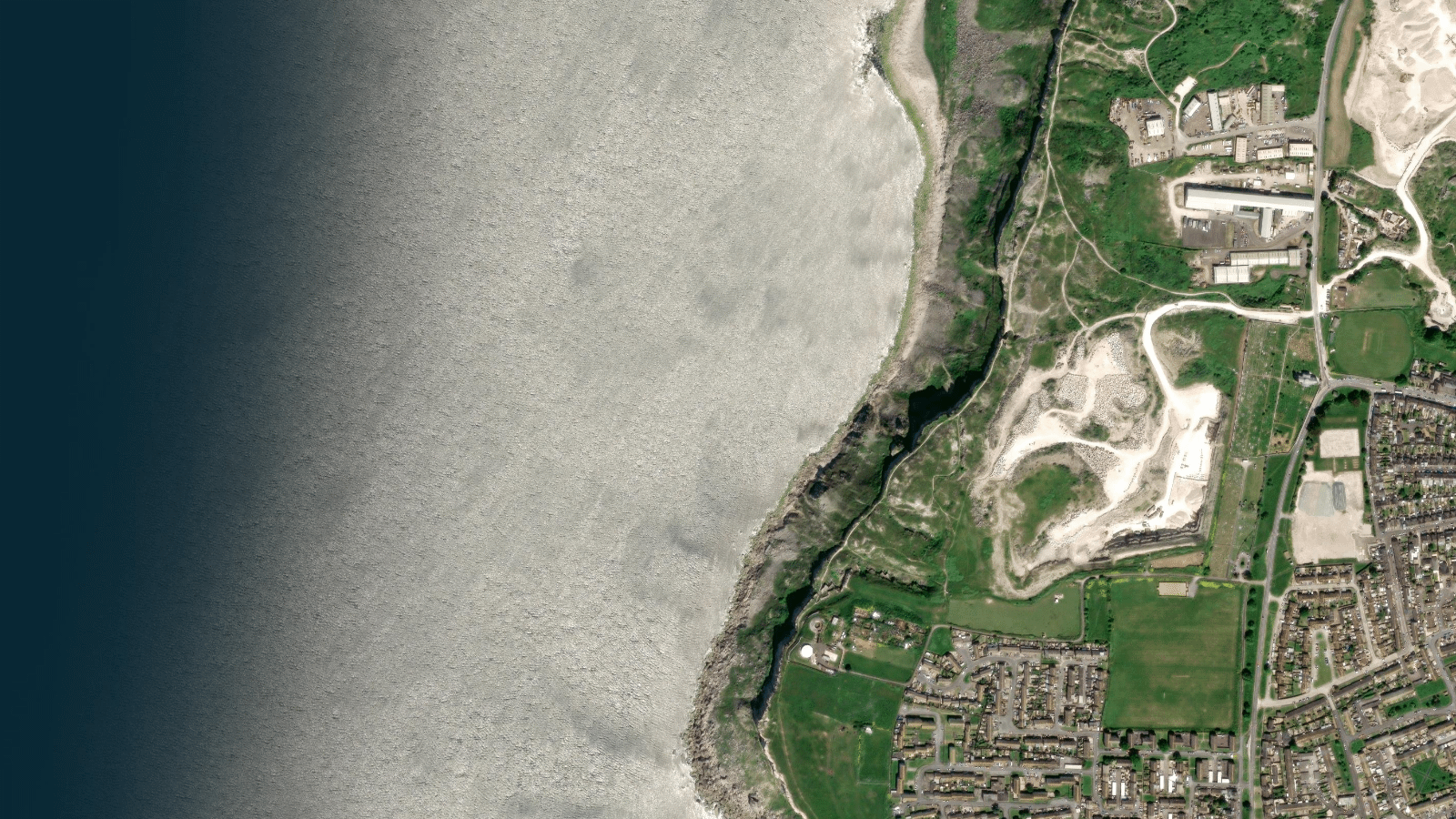
A sport climber's gateway
Portland is a small limestone tied island off the Dorset coast, joined to the mainland by Chesil Beach, and it has become one of the best places in Britain to learn sport climbing. The reasons are simple: the rock is solid, the bolting is plentiful, the crags are sunny and sheltered, and the walk-ins are short. If you have done your time on indoor walls and want to make the move to clipping bolts on real rock, it is hard to think of a friendlier introduction.
The climbing sits on sea cliffs and old quarry faces, so the backdrop is the English Channel rather than a mountain valley. On a clear spring day with the sea sparkling below, it is genuinely lovely.
Why it suits beginners to bolts
The thing that makes Portland so good for learning is the sheer concentration of well-bolted, lower-grade routes. Many crags hold dozens of climbs in the easier sport grades, often close together, so you can rack up plenty of mileage in a day without committing to anything frightening. The bolts are generally close enough to keep things reassuring, and most routes finish at a lower-off so you can be lowered straight back to the ground.
A few features stand out for newcomers:
- Short approaches. Most venues are a few minutes from parking, which means more climbing and less faff.
- Sun and shelter. South and west-facing crags catch the sun and stay sheltered from the worst of the wind, so the season is long.
- A clear grade ladder. With so many routes packed into each crag, you can step up a notch at a time as your confidence grows.
The downside of popularity is polish. Some of the most-climbed easier routes have been buffed smooth by thousands of ascents, so footwork on slick limestone is a skill you will pick up quickly here.
The climbing itself
Portland limestone gives technical, often vertical to slightly overhanging climbing on crimps, pockets and edges. It is rarely about brute strength at the lower grades and far more about reading sequences, trusting small feet and keeping a steady head. As you progress, the harder routes get steeper and more sustained, with some genuinely powerful test pieces tucked among the cliffs.
It is worth getting the etiquette right from the start. Learn to clean a route properly, thread a lower-off safely, and never lower or top-rope through fixed bolt hangers, which wears them out. If you are new to this, climb with someone experienced or get proper instruction before you trust your life to the system.
Practical notes
Portland climbs well for much of the year thanks to its mild coastal position and sunny aspect, though summer afternoons can get hot on the south-facing rock and winter still has its share of wet and windy days. Spring and autumn are reliable.
A few things to bring and bear in mind:
- A single rope of at least 60 metres, a set of quickdraws, and the gear to lower off safely.
- Seabird nesting restrictions apply to some sections at certain times of year, so check before you go and respect any closures.
- The rock near the sea can stay damp, so favour the higher, sunnier walls after wet weather.
Portland rewards a logbook. With so many routes at similar grades, it is easy to lose track of what you have done and what you still want to tick. Keeping a record turns a vague pile of memories into a clear picture of your progress as you move from your first nervous lead to running laps on the steep stuff.
Satellite imagery: Esri, Maxar, Earthstar Geographics
More from the blog
 Locations & crags
Wet sandstone: why you wait for it to dry
Sandstone is at its weakest when it is wet, and a hold that breaks does not come back. Why damp rock crumbles, how to tell when it is properly dry rather than dry on the surface, and what to climb instead on a wet weekend.
 Locations & crags
Bouldering at Stanage
The most famous gritstone edge in the world, and why every UK climber ends up there eventually.
 Locations & crags
Climbing in the Peak District
Gritstone edges and limestone crags within reach of half of England — a tour for visiting climbers.