Climbing in Yosemite
The valley of big walls and granite history — what it means to climbers and how to dip a toe in.
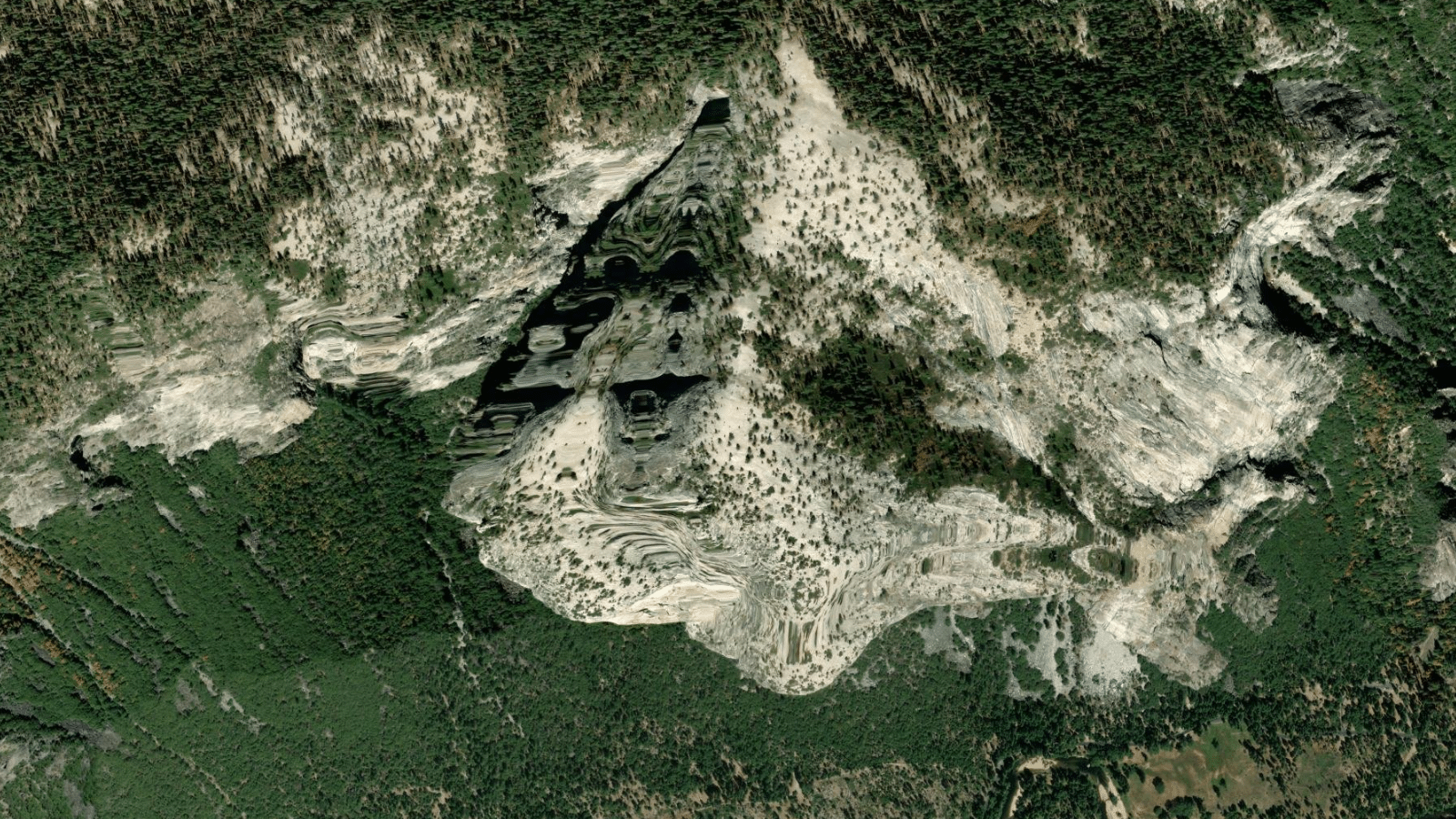
Few places carry as much weight in climbing as Yosemite Valley. The granite walls that rise from the valley floor in California's Sierra Nevada are where so much of modern climbing was figured out, from the first big-wall ascents to the styles and tools we still use today. Standing on the valley floor and craning your neck up El Capitan, you get a sense of scale that photographs never quite manage.
Why it matters
Yosemite is where a lot of climbing's vocabulary was written. The long, clean cracks running up these walls forced climbers to develop crack technique, jamming hands and fingers into fissures rather than pulling on edges. The sheer size of the faces pushed people to learn how to live on a wall for days, hauling gear, sleeping on ledges or portaledges, and rationing water. Names like El Capitan and Half Dome are landmarks in the sport's history, not just on a map.
The rock itself is glacier-polished granite, which can be slick and demanding. Friction climbing on low-angle slabs, precise footwork on glassy faces and committing crack systems all show up here. It is a place that rewards patience and a willingness to learn techniques that gyms rarely teach.
How to dip a toe in
You do not need to be aiming at a multi-day wall to enjoy Yosemite. The valley has plenty for climbers at the start of their outdoor journey, and the trick is matching the place to your current level rather than the legend in your head.
A few sensible entry points:
- Single-pitch crags. Areas around the valley have shorter routes where you can practise crack technique on solid ground without the commitment of a long day.
- Easy multi-pitch. Moderate multi-pitch routes let you learn how to move efficiently as a team, manage a rope above the ground and build the head for height, all on terrain that is well within reach.
- Bouldering. The valley has its own boulders if you want to keep things close to the ground while you get used to the granite's slick, technical feel.
Crack climbing is the skill that catches most visitors out. If your background is gym faces and bouldering, jamming feels alien and a bit brutal at first. Tape your hands, start on wide, friendly cracks and accept that you will be slow and a little battered for the first few days. It comes with mileage.
Going in with eyes open
Yosemite is a serious mountain environment as much as a climbing destination. The walls are big, the weather can turn, and rescue is not guaranteed or quick. Build up gradually, climb well within your limits while you learn the rock, and treat early trips as apprenticeships rather than tick lists.
It is also a heavily protected national park with real pressure on access and the environment. Stick to established trails and approaches, follow local regulations on camping and waste, and respect the closures that protect nesting birds on the big walls each spring. The climbing community's long relationship with this place depends on visitors treating it carefully.
Above all, give yourself time. Yosemite is not a destination you tick in a weekend, and the climbers who get the most from it tend to come back season after season, building skills and slowly working up to the lines that first drew them in. Keep a record of the routes you climb and the techniques that gave you trouble, and each return trip starts from a stronger base.
Satellite imagery: Esri, Maxar, Earthstar Geographics
More from the blog
 Locations & crags
Wet sandstone: why you wait for it to dry
Sandstone is at its weakest when it is wet, and a hold that breaks does not come back. Why damp rock crumbles, how to tell when it is properly dry rather than dry on the surface, and what to climb instead on a wet weekend.
 Locations & crags
Bouldering at Stanage
The most famous gritstone edge in the world, and why every UK climber ends up there eventually.
 Locations & crags
Climbing in the Peak District
Gritstone edges and limestone crags within reach of half of England — a tour for visiting climbers.