Climbing in the Dolomites
Italian limestone spires, via ferrata and alpine adventure in one spectacular range.
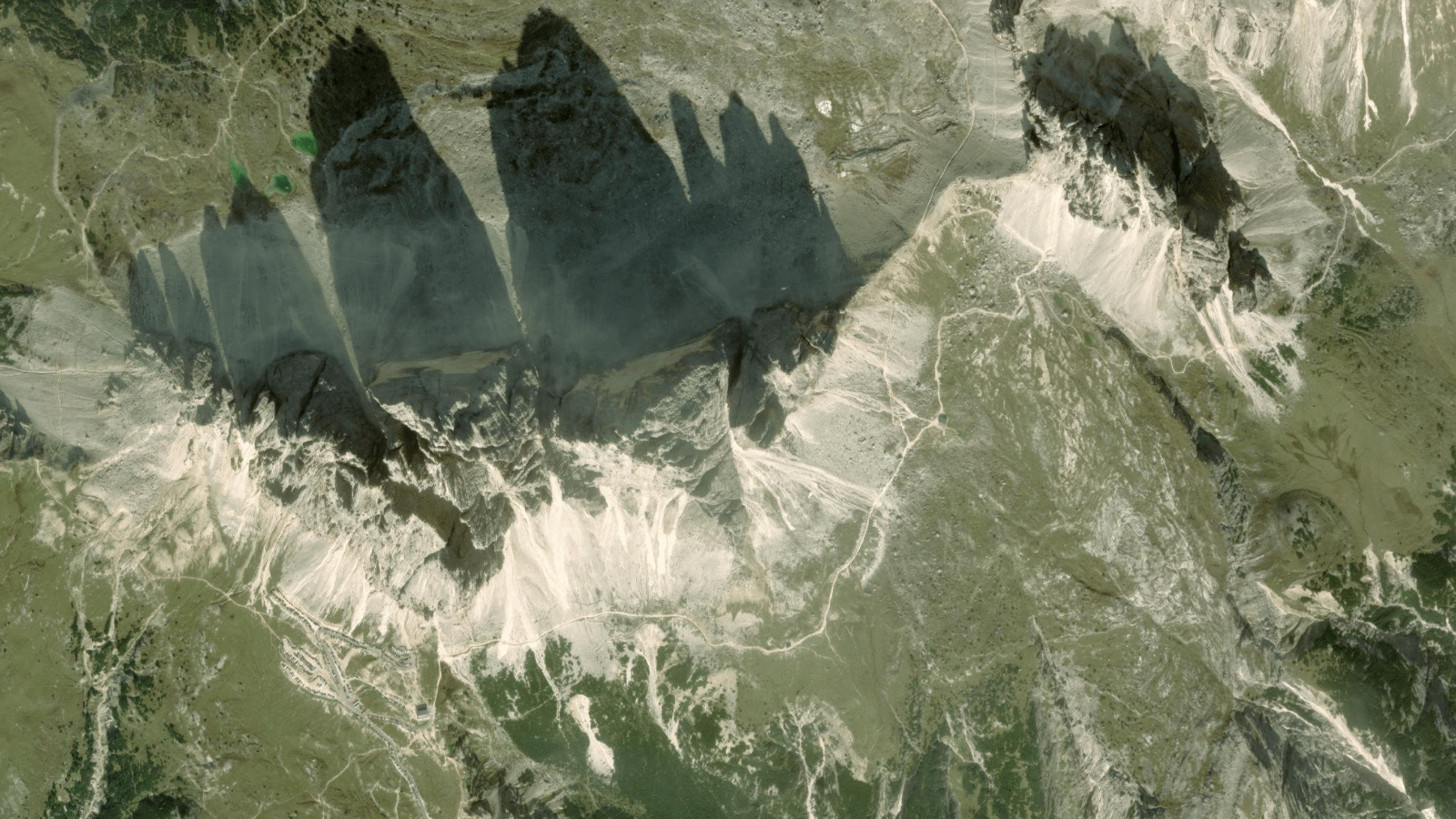
The Dolomites sit in northern Italy, a range of pale limestone towers and spires that glow pink and orange at sunrise and sunset. For climbers, this is alpine terrain with a character all its own: huge vertical walls, classic multi-pitch routes with real history, and a network of via ferrata that lets you move through serious mountain ground without being a full-blown alpinist. Few ranges pack so much variety into one spectacular landscape.
The rock and the routes
Dolomite limestone is unmistakable. It can be wonderfully solid, with positive holds and clean lines, but it can also be loose and friable in places, so route choice and a careful eye matter. The classic routes here run for many pitches up faces that look impossibly steep from the valley, and a lot of them were first climbed generations ago, which gives the area a deep sense of mountaineering heritage.
This is not a sport-climbing playground in the way some Mediterranean limestone is, though sport crags do exist. The headline experiences are the long traditional and mixed routes on the big towers, where you carry a rack, manage loose rock, and need the head and stamina for a full mountain day. The grades on the classics often feel committing for the number, partly because of the exposure and partly because the protection is not always generous.
Via ferrata
If the idea of leading multi-pitch limestone feels a step too far, via ferrata is one of the things that makes the Dolomites special. These are protected routes where steel cables, rungs and ladders are fixed to the rock, and you clip in with a special lanyard kit as you move along them.
Via ferrata lets you travel through dramatic, exposed terrain with a far smaller skill barrier than roped climbing, though it is not without risk. A few things to keep in mind:
- You need a proper via ferrata lanyard with an energy-absorbing system, a helmet and a harness. Improvising with normal climbing kit is not safe here.
- Routes are graded for difficulty and seriousness, so pick something that matches your fitness and head for heights.
- Mountain weather still applies. Cables become lightning hazards in storms, so start early and watch the forecast.
Many of these routes trace lines first put up during the First World War, when fighting moved into these mountains, and you still pass tunnels and emplacements carved into the rock.
Planning a trip
The Dolomites are an alpine environment, so the season is short. Summer and early autumn are the windows most climbers aim for, when the snow has cleared from the routes and the huts are open. Those mountain huts, the rifugi, are part of the appeal: you can link climbs and walks over several days, sleeping high and eating well between objectives.
The weather can change fast. Afternoon thunderstorms are common in summer, so the standard rhythm is to start at dawn and be off the big routes before the clouds build. Carry layers, take the forecast seriously and have a plan for retreat.
For a first visit, mix your ambitions. Pair a couple of moderate multi-pitch routes with a via ferrata day and some valley sport climbing, and you get a feel for the range without overcommitting on the big walls. Keep notes on which approaches you used, how long routes actually took and what the conditions were like, because in a range this size that local knowledge is what makes a return trip flow.
Satellite imagery: Esri, Maxar, Earthstar Geographics
More from the blog
 Locations & crags
Wet sandstone: why you wait for it to dry
Sandstone is at its weakest when it is wet, and a hold that breaks does not come back. Why damp rock crumbles, how to tell when it is properly dry rather than dry on the surface, and what to climb instead on a wet weekend.
 Locations & crags
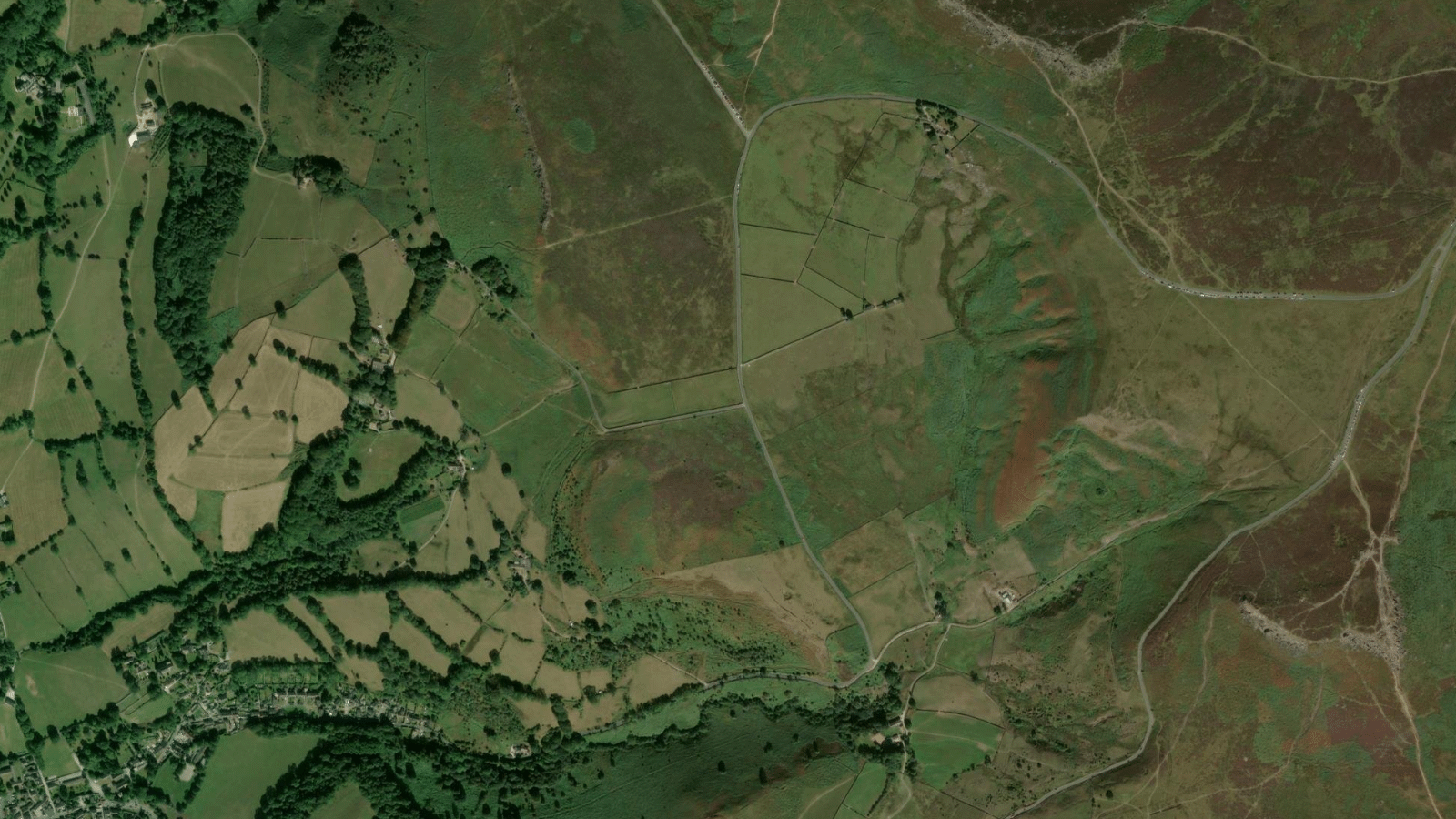
Bouldering at Stanage
The most famous gritstone edge in the world, and why every UK climber ends up there eventually.
 Locations & crags
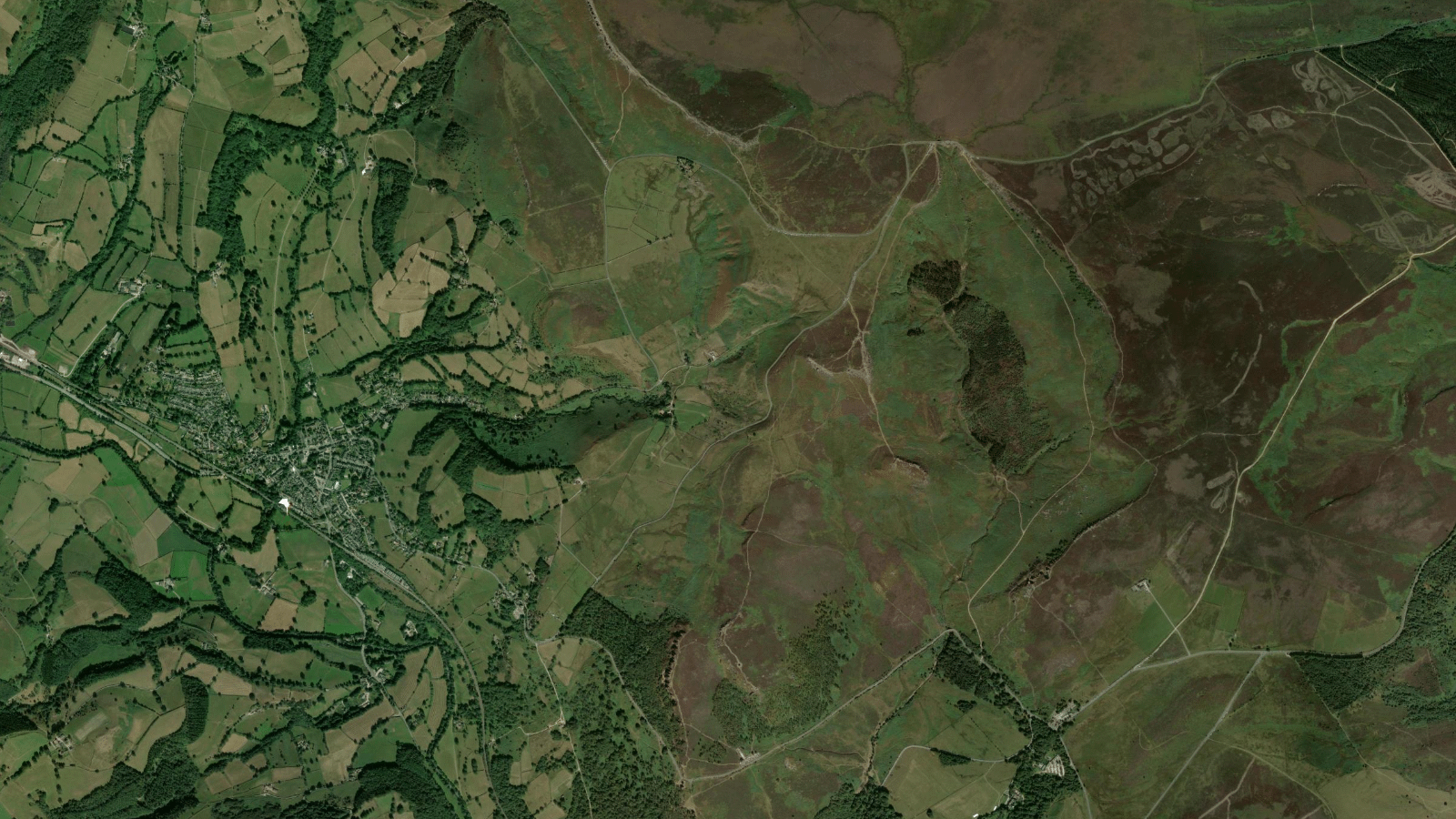
Climbing in the Peak District
Gritstone edges and limestone crags within reach of half of England — a tour for visiting climbers.