Climbing in Snowdonia
Mountain crags, slate quarries and history in the hills of North Wales.
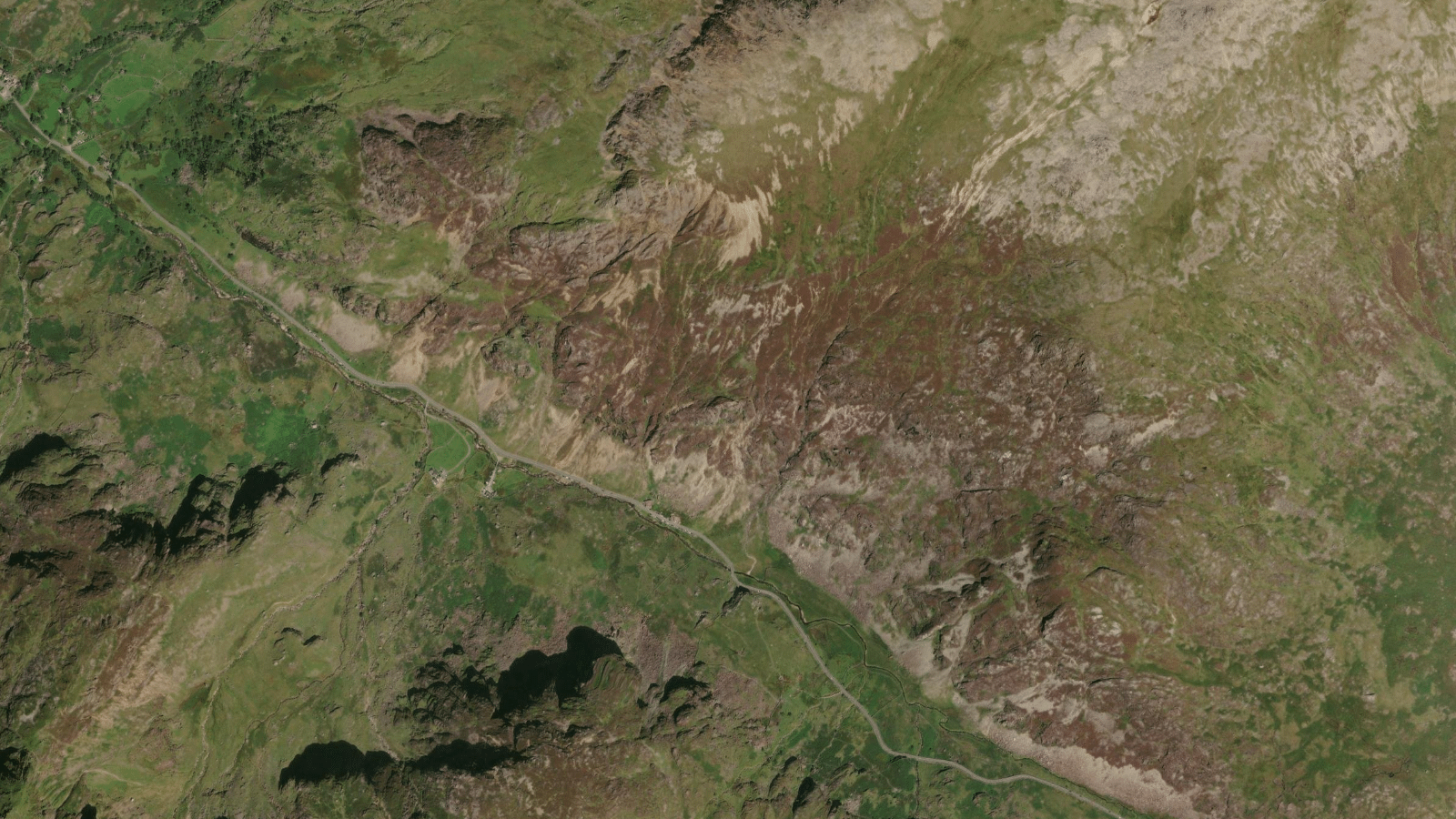
Mountains with a long memory
Snowdonia, or Eryri, is one of the great climbing landscapes of Britain. The mountains of North Wales hold mountain crags, valley cliffs and the strange, beautiful world of the slate quarries, and the whole area is soaked in climbing history. Generations of climbers have served their apprenticeship here, and the village of Llanberis at the foot of the highest peak has been a hub for as long as anyone can remember. Come here and you are climbing where a great deal of British mountaineering was worked out.
The variety is the draw. In a single trip you can do a long mountain route, clip bolts in a quarry, and walk in to a remote crag with the wind for company.
The mountain crags
The big draw for many is the mountain rock. Cliffs high on the flanks of the peaks give long, atmospheric trad routes in serious settings, where the walk-in is part of the day and the weather is always a factor. These are places that reward fitness, good judgement and a head for exposure. The rock is generally rough volcanic stone with solid holds and good gear, but the position is what you remember — climbing with a lake far below and a mountain ridge above.
Lower down, valley crags offer shorter, more accessible routes across a wide range of grades, making them a good choice when the tops are in cloud or the wind is howling.
The slate
Then there is the slate. The disused quarries above Llanberis are unlike anywhere else, a vast amphitheatre of grey terraces, flooded levels and impossibly clean walls left behind by the slate industry. The climbing here is its own discipline: thin, technical, often bold, on smooth slabs and steep walls where the holds are tiny edges and the feet are everything. There is sport climbing among the trad, and the atmosphere — industrial ruins reclaimed by climbers — is genuinely special.
Slate divides opinion. Some find it intimidating and devious; others fall completely for its precision and elegance. Either way, it is worth experiencing.
Conditions and going prepared
North Wales weather is famously fickle. The mountains attract cloud and rain, and a fine forecast can turn quickly at altitude. This is mountain country, so treat it accordingly:
- Check the weather and be willing to drop down to a lower, more sheltered crag if the tops are wet or in cloud.
- Carry proper layers, food, water and a means of navigation for the mountain crags, and do not rely on phone signal high up.
- The slate quarries can dry quickly and offer good options when the mountains are out of condition.
Spring through autumn gives the most reliable climbing, though crisp winter days can be superb on the lower crags and the slate.
Making the most of it
The sheer spread of climbing means a little planning goes a long way. Knowing which crags suit which conditions, and which way the wind is coming from, is the difference between a brilliant day and a soggy retreat. Keeping a record of where you have been and how the rock felt in different weather pays off fast in a place this changeable.
Snowdonia is not the place for guaranteed sunshine and roadside convenience. It is the place for mountain days, history under your fingertips, and the quiet satisfaction of climbing somewhere that genuinely feels wild. For a lot of British climbers, it becomes the area they keep coming back to for the rest of their lives.
Satellite imagery: Esri, Maxar, Earthstar Geographics
More from the blog
 Locations & crags
Wet sandstone: why you wait for it to dry
Sandstone is at its weakest when it is wet, and a hold that breaks does not come back. Why damp rock crumbles, how to tell when it is properly dry rather than dry on the surface, and what to climb instead on a wet weekend.
 Locations & crags
Bouldering at Stanage
The most famous gritstone edge in the world, and why every UK climber ends up there eventually.
 Locations & crags
Climbing in the Peak District
Gritstone edges and limestone crags within reach of half of England — a tour for visiting climbers.