Bouldering in the Lake District
Mountain bouldering among the fells — the blocs, the weather, and the long views that come with them.
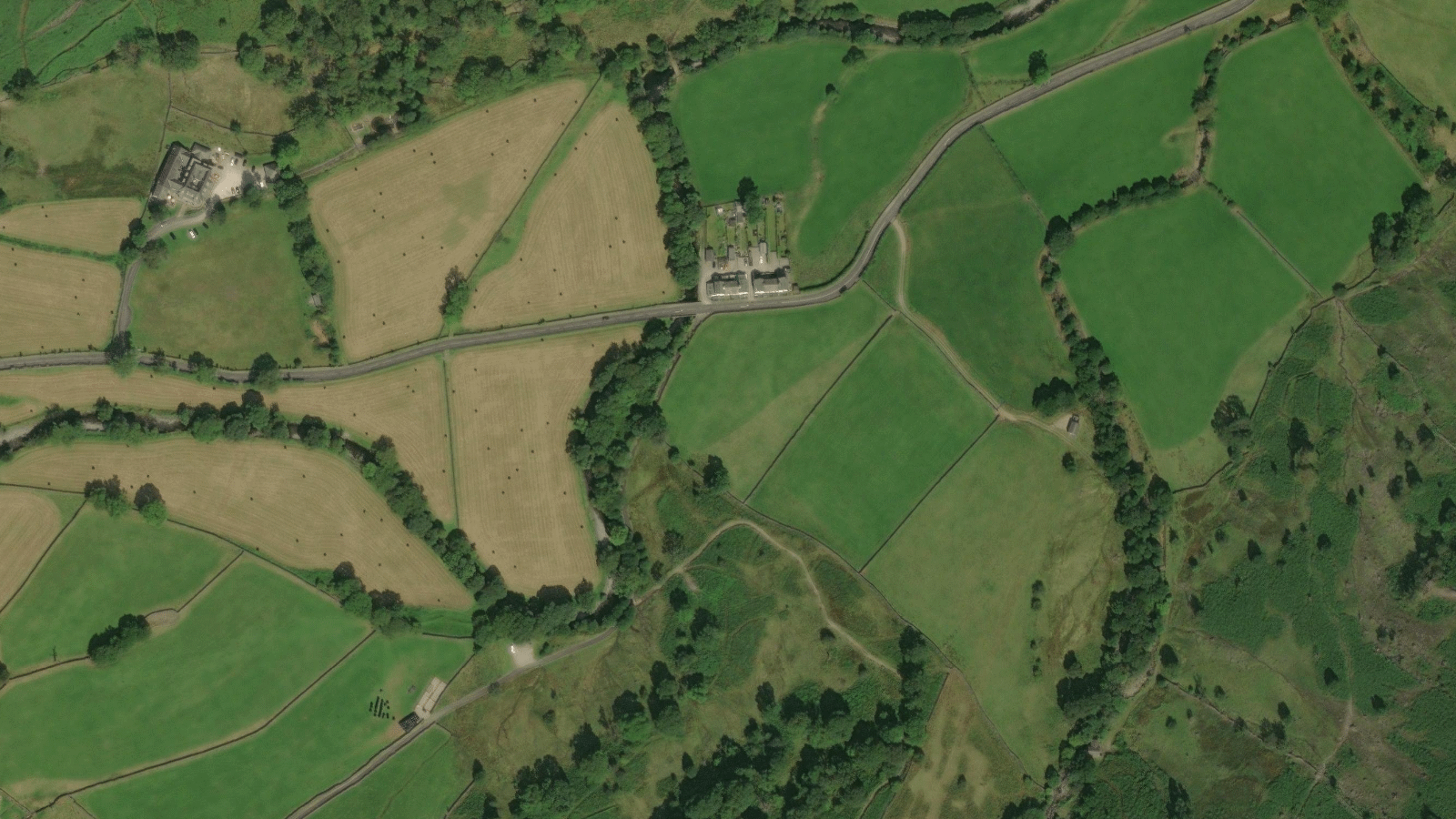
Bouldering with a view
The Lake District is better known for mountains, lakes and long mountaineering days than for bouldering, and that is part of what makes it special. The blocs here come with the full Lakeland package: rough rock, big skies, and views down valleys that no indoor wall can match. This is mountain bouldering, where the walk in matters as much as the problems, and where the weather has a deciding vote on whether you climb at all.
If you want a relaxing, predictable cragging holiday, the Lakes will test your patience. If you want adventure, atmosphere and the feeling of being somewhere genuinely wild while still pulling on hard moves, there are few better places in England.
The rock and the blocs
Lakeland bouldering happens on a mix of rock types, mainly volcanic rhyolite and tuff, with some slate and the odd patch of sandstone. The volcanic rock tends to be rough, sharp and full of character — crimps, edges, slopers and the occasional pocket — and it can be hard on the skin. The friction is excellent when conditions are good, but the texture means you will want tape and a sense of when to stop before your fingertips give out.
Some of the better-known venues give a flavour of the variety:
- Langdale holds a spread of blocs in a stunning valley setting, with everything from easy warm-ups to test pieces.
- St Bees on the coast offers gentler sandstone bouldering and is a good wet-weather alternative.
- The Bowderstone in Borrowdale is a single huge boulder that has been a training ground for generations, with steep, polished classics.
Many problems sit beneath the bigger crags, so you can combine a bouldering session with scoping out routes for another day.
Weather is the real grade
There is no getting around it: the Lake District is one of the wettest corners of the country. The rock dries slowly in the shaded, mossy valleys, and a perfect forecast can still mean greasy holds if the air is humid. The flip side is that on a crisp, dry day with a breeze, the friction is sublime and the place is empty.
A few things help you make the most of a trip:
- Stay flexible. Have several venues in mind at different altitudes and aspects so you can chase the dry rock.
- Cooler months from autumn to spring usually give the best conditions, as long as you can find a dry window.
- The blocs are exposed to the wind, which is a blessing for drying rock and a curse for staying warm. Layer up.
Going prepared
Because much of the bouldering is up in the fells, treat a session like a small hill day. Carry proper walking footwear for the approach, take more layers than you think you need, and pack food, water and a way to navigate. Mobile signal is patchy in the valleys, so do not rely on it for directions or in an emergency. A pad is essential, and a brush for clearing moss and lichen off less-travelled problems earns its place in the bag.
The reward for all this faff is bouldering that feels like an expedition in miniature. You earn your problems here, and topping out a bloc with a fell falling away beneath you is a different experience entirely from a session under the gym lights. Keep a note of the venues and conditions that worked, because in the Lakes, remembering which valley dries fastest after rain is half the battle.
Satellite imagery: Esri, Maxar, Earthstar Geographics
More from the blog
 Locations & crags
Wet sandstone: why you wait for it to dry
Sandstone is at its weakest when it is wet, and a hold that breaks does not come back. Why damp rock crumbles, how to tell when it is properly dry rather than dry on the surface, and what to climb instead on a wet weekend.
 Locations & crags
Bouldering at Stanage
The most famous gritstone edge in the world, and why every UK climber ends up there eventually.
 Locations & crags
Climbing in the Peak District
Gritstone edges and limestone crags within reach of half of England — a tour for visiting climbers.