Bouldering in Magic Wood
The mossy Swiss forest of hard granite blocs that draws boulderers from everywhere.
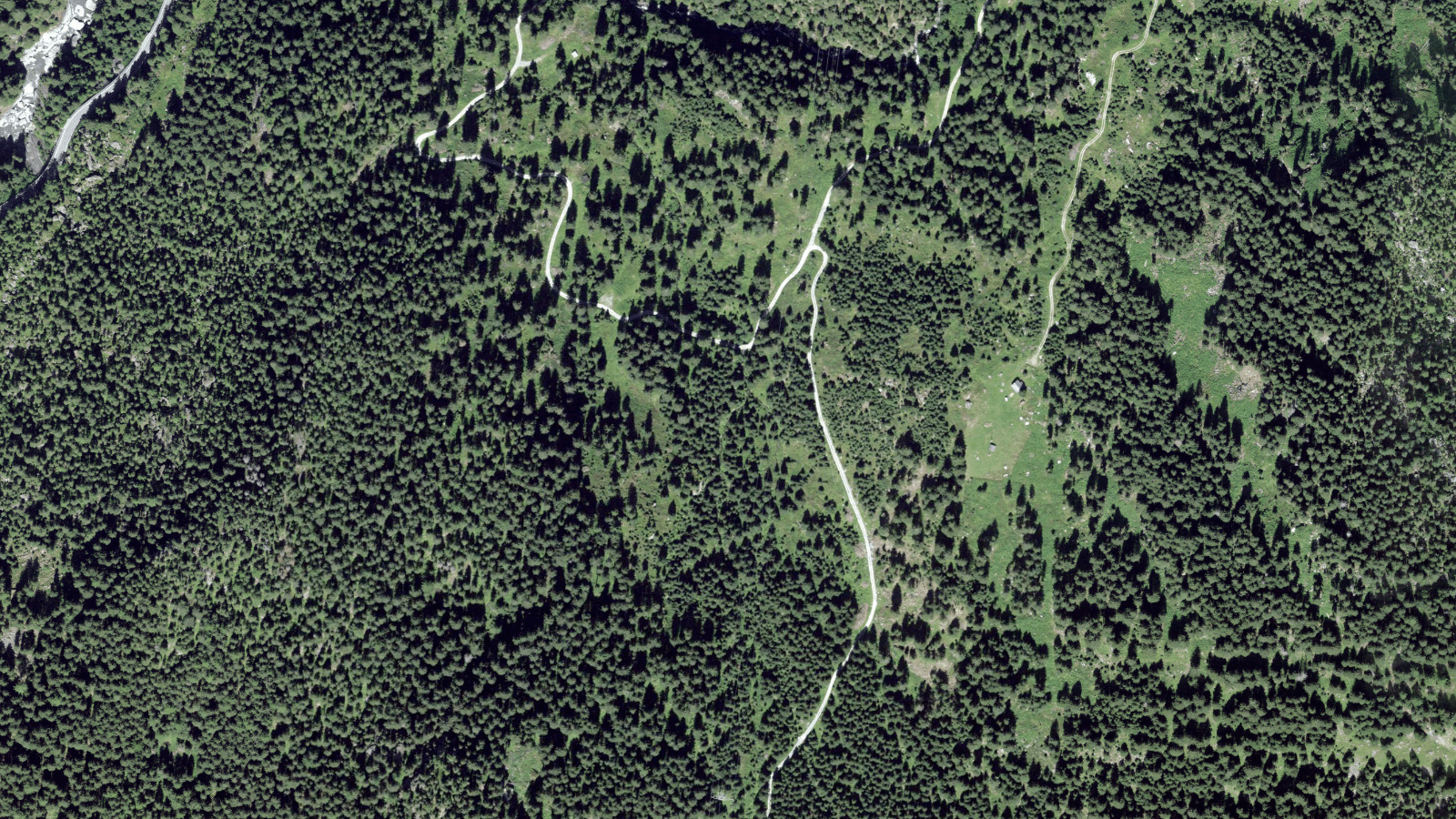
A forest full of granite
Tucked into a valley in eastern Switzerland, Magic Wood is one of the most celebrated bouldering venues in Europe. The name fits. It is a steep, mossy, almost fairytale forest beside a rushing river, and scattered through the trees are hundreds of granite and gneiss blocs, many of them steep, overhanging and brutally hard. For boulderers chasing the higher grades, it is close to a pilgrimage. People travel from all over the world to spend their summers battling its test pieces.
The atmosphere is part of the appeal. Damp green light filters through the canopy, the river roars in the background, and the blocs lurk among the trees waiting to humble you.
The rock and the style
The climbing at Magic Wood is famously physical. The rock gives crisp crimps, slopers and steep, powerful problems on overhanging faces, with plenty of tension moves, compression and hard pulls between small holds. It suits climbers who like to fight. There is gentler climbing too, but the venue's reputation is built on its concentration of hard lines, and many of the classics sit at the harder end of the grade spectrum.
A few things stand out about climbing there:
- It is steep. A lot of the best problems are overhanging, so expect tension, body positioning and powerful moves rather than delicate slabs.
- The holds can be sharp. Granite crimps are hard on the skin, so manage your tips and bring tape.
- Conditions transform the grades. Cool, dry air gives the friction that hard problems demand; warm or humid days make everything feel impossible.
When to go
Magic Wood is a summer and autumn venue. The forest sits at altitude, so the warmer months bring conditions cool enough to climb while lower-lying crags are too hot. Late summer into autumn is classic, when the air starts to crisp up and the friction improves. The shade of the trees keeps the sun off, which helps, but the trade-off is that the damp forest holds moisture and the rock can stay greasy after rain. Patience and a good forecast are your friends.
Etiquette and going prepared
Magic Wood's popularity has put pressure on the forest, and access has not always been straightforward over the years. That makes good behaviour essential. Park where you are told, pay any fees, use the proper facilities, keep noise down, and take every scrap of litter home. Brush off your chalk and tick marks, and never climb on wet or fragile rock.
Practical kit for a trip:
- Several pads between a group, because the landings among the trees and roots can be awkward and uneven.
- A good brush for clearing moss and chalk, and tape for your skin.
- Warm layers for belaying in the shade, and shoes that suit steep, powerful climbing.
A spotter who knows what they are doing is worth a lot here. The combination of high problems, sloping landings and tree roots means careful pad placement and attentive spotting keep sessions safe.
Magic Wood is not a gentle introduction to outdoor bouldering. It is a place to test yourself on world-class hard rock in a setting that genuinely feels magical. Keeping a log of the problems you try, and the conditions on the day, helps you make sense of a venue where the same line can feel like two different grades depending on the weather.
Satellite imagery: Esri, Maxar, Earthstar Geographics
More from the blog
 Locations & crags
Wet sandstone: why you wait for it to dry
Sandstone is at its weakest when it is wet, and a hold that breaks does not come back. Why damp rock crumbles, how to tell when it is properly dry rather than dry on the surface, and what to climb instead on a wet weekend.
 Locations & crags
Bouldering at Stanage
The most famous gritstone edge in the world, and why every UK climber ends up there eventually.
 Locations & crags
Climbing in the Peak District
Gritstone edges and limestone crags within reach of half of England — a tour for visiting climbers.