Bouldering in Bishop
High desert blocs in California — the Buttermilks and the Tablelands, and the cold clear days they reward.
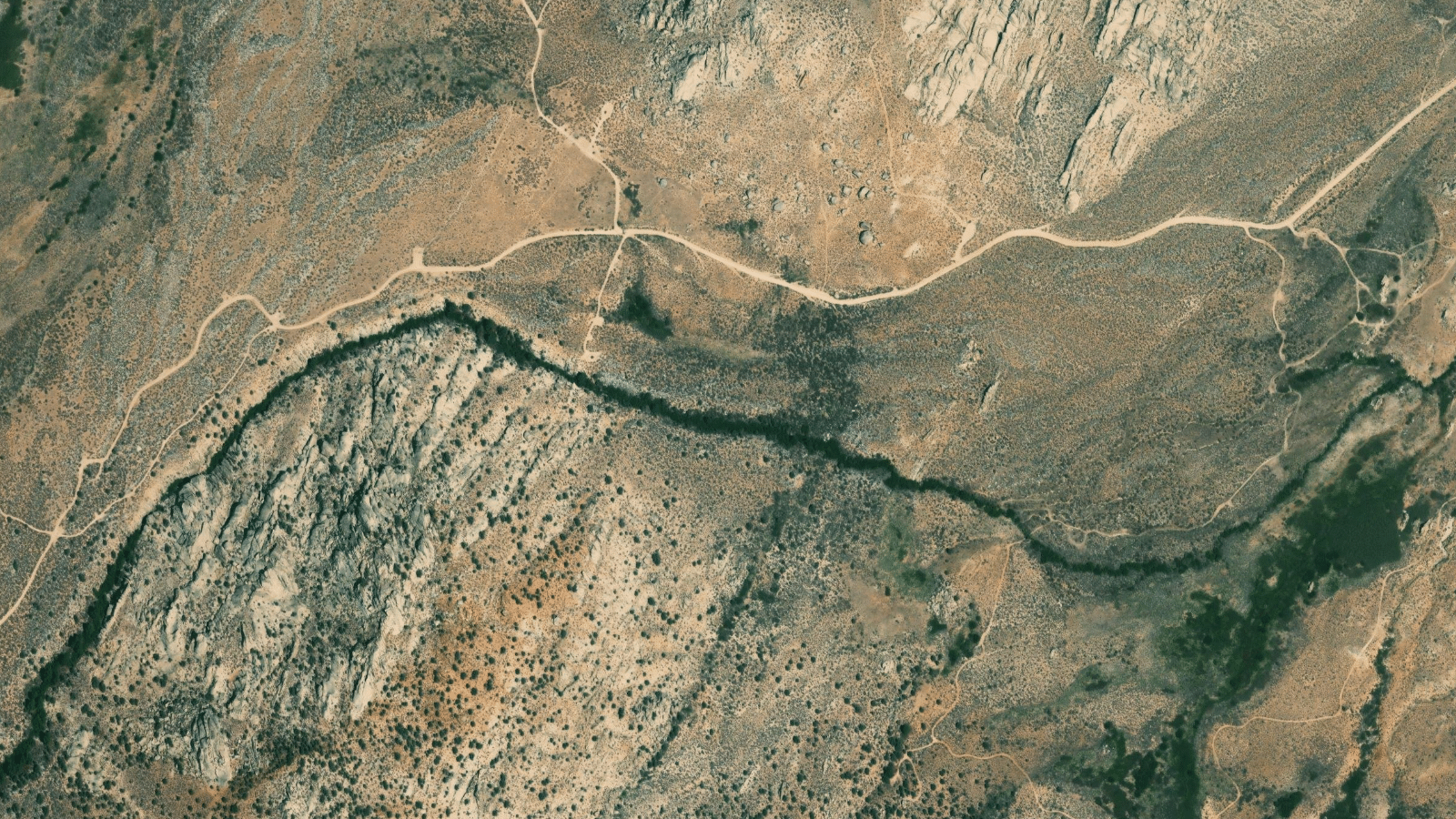
Bishop sits in the Owens Valley, tucked between the Sierra Nevada and the White Mountains in eastern California. It is one of the great bouldering towns, and the reason climbers drive here through the winter is simple: cold, dry desert air over some of the best granite and volcanic rock you will ever put your hands on. The town itself is small, friendly and built around the climbing season, which runs roughly from October through to April.
The Buttermilks
The Buttermilks are the postcard. A scattering of huge granite blocs sit on a high plain with Mount Tom and the Sierra crest rising behind them, and the rock is coarse, grippy and unforgiving on the skin. This is high-ball country, where problems run well above the height most people are comfortable falling from, so a deep stack of pads and a few attentive spotters are not optional extras.
The grades here are stiff and the style is specific. Expect rounded slopers, shallow crimps and the kind of committing top-outs that ask as much of your nerve as your fingers. Classics like the Buttermilks have a reputation for feeling a grade or two harder than the number suggests, partly because the granite punishes poor footwork and partly because the exposure gets into your head. If you are new to the area, spend your first day on the smaller blocs to learn how the rock behaves before you commit to anything tall.
A few things worth knowing before you go:
- The approach is short but the ground is sandy and the blocs are spread out, so a wheeled crash pad or a good carry system saves your back.
- Skin management matters more here than almost anywhere. The granite is abrasive, and three days on it without a rest will leave your tips raw.
- Mornings can be properly cold, so warm up carefully. Cold fingers on slopers is a fast route to a tweaked tendon.
The Tablelands
A short drive away, the Tablelands offer a completely different texture. This is volcanic tuff, riddled with pockets, huecos and scoops, and it rewards a more technical, three-dimensional style of climbing. The Happy Boulders and Sad Boulders sit in shallow gorges, which means they hold shade and shelter from wind, making them a good call when the Buttermilks are too cold or too breezy.
The pockets here can be sharp, so tape is sensible, and the grades tend to feel more honest than out on the granite. Many climbers split their trip between the two zones: the Tablelands for higher-volume days where you tick a lot of problems, the Buttermilks for the showpiece lines you remember for years.
Making the most of a trip
The window is everything. Bishop is at altitude in a high desert, so you want crisp, dry conditions with friction-friendly temperatures. Cold clear days after a spell of dry weather are gold. Check forecasts for both temperature and humidity, and be ready to chase shade or sun depending on the day.
Plan rest days into the trip rather than hoping to climb straight through. The combination of abrasive rock, dry air and altitude wears skin and bodies down faster than a normal gym week. Hot springs dot the valley, the town has good coffee and food, and a deliberate rest day will get you more sends than gritting through tired tips.
Keep notes on what you try and what conditions felt good. Knowing that a particular bloc comes into the shade by early afternoon, or that your skin needs a full day to recover on the granite, is the kind of local knowledge that turns a decent trip into a brilliant one. Logging your sessions in Sendit makes that pattern easy to spot next time you are planning a return.
Satellite imagery: Esri, Maxar, Earthstar Geographics
More from the blog
 Locations & crags
Wet sandstone: why you wait for it to dry
Sandstone is at its weakest when it is wet, and a hold that breaks does not come back. Why damp rock crumbles, how to tell when it is properly dry rather than dry on the surface, and what to climb instead on a wet weekend.
 Locations & crags
Bouldering at Stanage
The most famous gritstone edge in the world, and why every UK climber ends up there eventually.
 Locations & crags
Climbing in the Peak District
Gritstone edges and limestone crags within reach of half of England — a tour for visiting climbers.