A first-timer’s guide to the Peak District
Gritstone, limestone and the spiritual home of British climbing. Here is what a first trip to the Peak District is really like, and how to do it well.
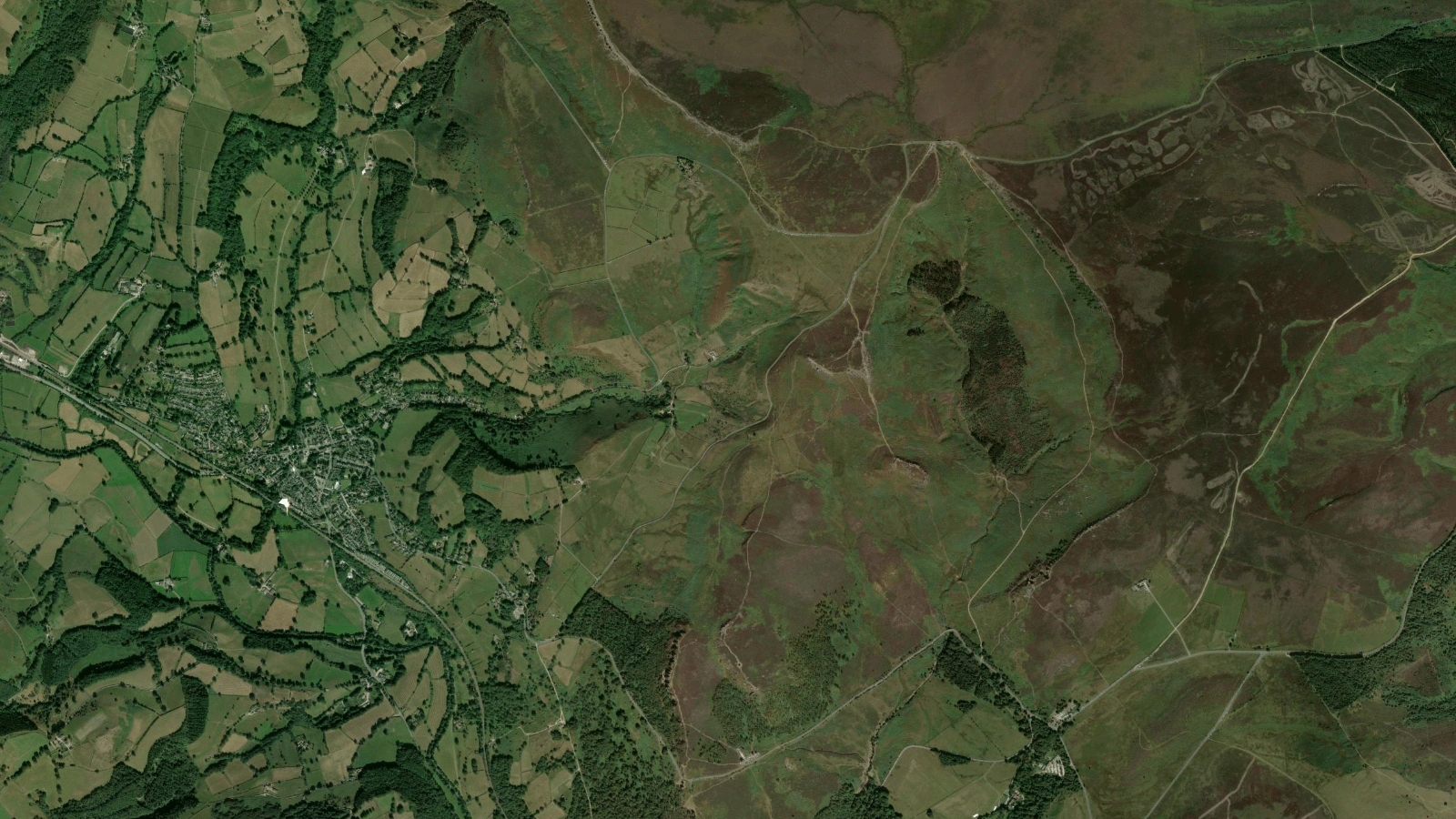
Ask a British climber where it all started for them and a surprising number will say the Peak District. The gritstone edges above the moors, the polished limestone in the dales, the long history of bold first ascents and even bolder characters. It is the spiritual home of climbing in this country, and it sits within easy reach of most of England. Your first trip there can feel like a rite of passage, and it can also feel baffling if you have only ever climbed indoors. This is a plain guide to making that first visit go well.
Two rocks, two completely different experiences
The first thing to understand about the Peak is that it is really two climbing areas wearing one name. There is the grit and there is the limestone, and they ask very different things of you.
Gritstone is the rough, sandy-textured rock of the high edges, places like Stanage and Burbage. It is famous for friction, for slopers and rounded breaks, and for a bold, no-nonsense style. The holds are often not obvious, the moves rely on trusting your feet and your skin, and the climbing tends to reward calm commitment. Limestone, found lower down in the dales, is steeper, often pocketed, sometimes polished smooth by decades of traffic, and generally more about strength and steep technical movement.
The Peak is not one crag, it is two characters. The grit asks you to trust friction and stay calm. The limestone asks you to pull hard and read pockets. Knowing which you are heading to changes how you prepare.
For a first-timer, gritstone bouldering is usually the gentler introduction, and the edges around Stanage are a classic starting point. If you want a proper crag-by-crag steer, bouldering at Stanage and the broader climbing in the Peak District are both worth reading before you go.
Conditions are everything on grit
Here is the thing that catches indoor climbers out: on gritstone, the weather and the temperature genuinely make or break your day. Grit relies on friction, and friction loves cool, dry, breezy conditions. A crisp, cold autumn or winter day with a bit of wind is gold. A warm, humid, still summer afternoon turns the same holds greasy and the same problem two grades harder.
This is why you will hear climbers obsess over conditions in a way that sounds mad until you experience it. Standing under a problem that felt impossible in July and floats in October teaches you fast. We get into the why of all this in why climbers obsess over conditions. For a first trip, aim for a cool, dry day and you will have a far better time.
What to bring
For a bouldering day out on the grit, your kit list is short but specific:
- Crash pads, ideally more than one between a group, to cover the landing
- A brush for cleaning chalk and grime off holds
- A flask, because Peak weather turns quickly and warm hands climb better
- Proper footwear for the walk in, the ground is uneven and often boggy
- A guidebook or app so you can find problems and know the grades
- Layers, because it is colder and windier up on the edges than in the valley
Outdoor grades feel harder than indoor ones, so do not be disheartened. The rock does not have bright tape pointing out the holds, the landings are real, and friction is doing things you have never had to think about. A grade you cruise indoors might stop you dead outside, and that is completely normal. There is honest guidance on the transition in from gym to rock, making the move outdoors.
Access, ground and looking after the place
The Peak is busy, much of it is sensitive moorland, and a lot of access is the result of careful agreements that climbers can quietly ruin by behaving badly. A few basics that matter:
- Park considerately and do not block gates, farm tracks or passing places
- Stick to paths where they exist to limit erosion on the moor
- Take every scrap of litter home, including tape and finger skin
- Brush off your tick marks and excess chalk when you leave a problem
- Keep noise and music down, plenty of people come for the quiet
Nesting birds can mean seasonal restrictions on some crags, so check before you go. None of this is complicated, it is just the difference between climbers being welcome and climbers being a problem. Crag etiquette and access and leave no trace, looking after the crag cover it properly.
A realistic first day
Set your expectations sensibly and you will leave wanting more rather than disheartened. A good first day looks something like this.
Arrive in the morning when it is cool, walk in, and spend a good while just warming up on easy problems and getting used to how different the rock feels under your hands and feet. Pick a few classic easier lines rather than chasing a number. Expect to fall off things that look gentle, expect your skin to take a beating on the rough grit, and expect at least one moment where a move suddenly clicks and you understand why people love this place.
Do not try to tick a long list. Two or three good problems done well, in good conditions, with mates and a flask of tea, is a brilliant day out. The Peak rewards repeat visits, and half the pleasure is going back to a problem in better conditions and finally floating it.
The Peak District is one of the best places in the world to learn what climbing outside is really about, and it is right on the doorstep for most of us. Go on a cool dry day, bring pads and patience, respect the place and the people, and start gentle. Whether you fall in love with the bold friction of grit or the steep pull of limestone, your first trip is the start of something most British climbers never quite get over.
Satellite imagery: Esri, Maxar, Earthstar Geographics
More from the blog
 Locations & crags
Wet sandstone: why you wait for it to dry
Sandstone is at its weakest when it is wet, and a hold that breaks does not come back. Why damp rock crumbles, how to tell when it is properly dry rather than dry on the surface, and what to climb instead on a wet weekend.
 Locations & crags
Bouldering at Stanage
The most famous gritstone edge in the world, and why every UK climber ends up there eventually.
 Locations & crags
Climbing in the Peak District
Gritstone edges and limestone crags within reach of half of England — a tour for visiting climbers.