What we can learn from how the pros train
The habits elite climbers share — rest, reading, deliberate practice — that any climber can borrow.
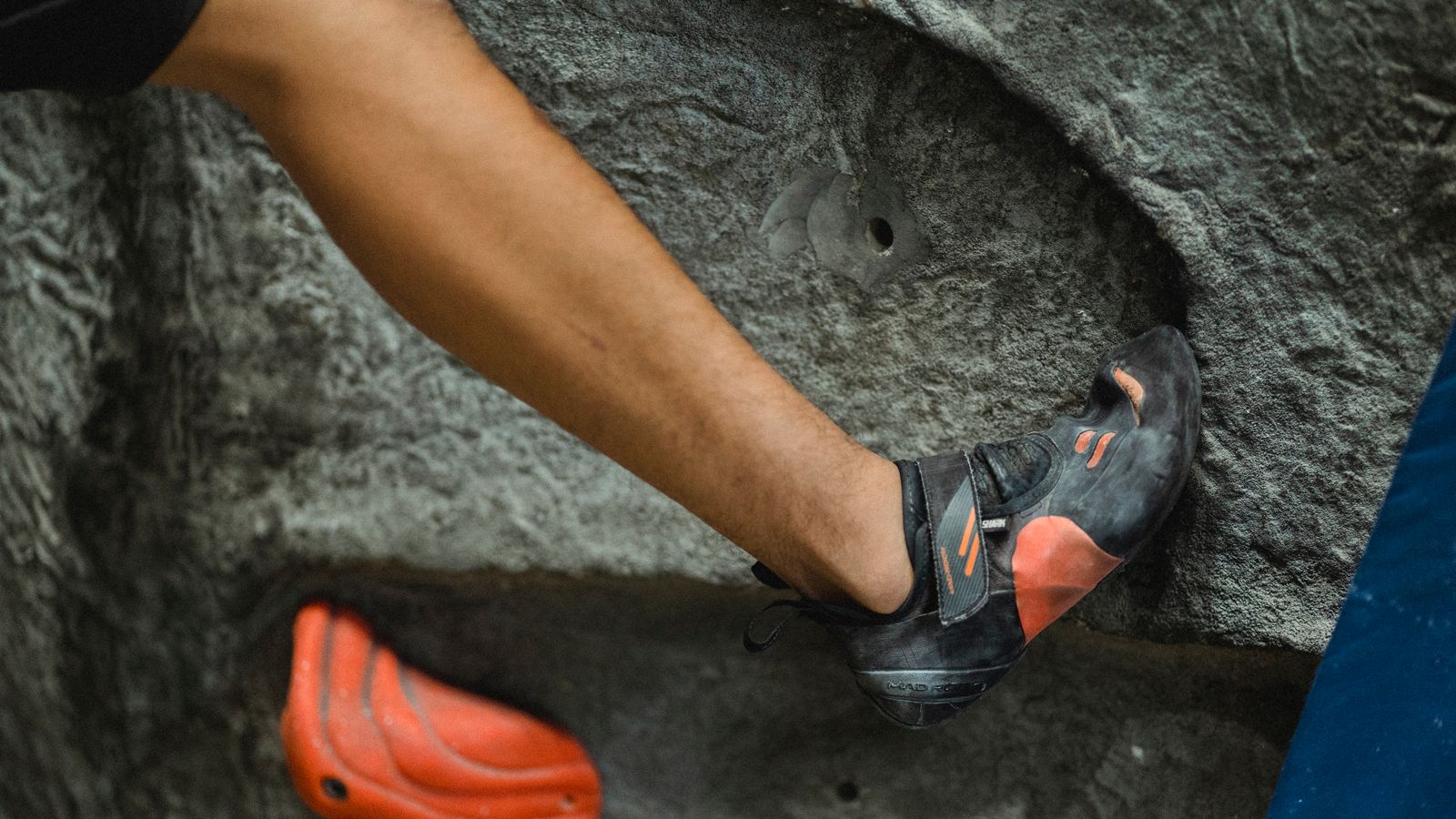
It is tempting to think the strongest climbers train harder than the rest of us. Mostly they do not. What they do is train smarter, rest more honestly, and pay closer attention to what is actually limiting them. None of that requires a sponsorship or a campervan. Here are the habits worth borrowing.
They rest like it is part of the plan
Watch a strong climber on a hard project and you will notice how long they sit between burns. Three, five, sometimes ten minutes. They are not killing time, they are letting the forearms clear so the next attempt is a true effort rather than a tired one. Amateurs tend to rush back on, climb fatigued, and learn nothing except how to fail with bad technique.
The same applies across the week. Elite climbers treat rest days as training, because that is when the body actually adapts. Two or three hard sessions a week with real recovery between them will take you further than five mediocre ones. If every session feels flat, you are probably not resting enough rather than not climbing enough.
They read before they pull
The biggest difference between a beginner and a seasoned climber is often what happens before the hands touch a hold. Strong climbers stand back and read the route. They work out where the rests are, which hand goes on which hold, where a heel hook or a drop knee will save energy, and where the crux really sits. By the time they leave the ground they have a plan.
You can practise this on every climb, indoors or out. Before you pull on:
- Trace the line with your eyes and pick your hand sequence.
- Spot the feet, not just the hands. Most cruxes are solved with the feet.
- Decide where you will breathe and shake out.
Reading well turns a desperate scrap into a series of deliberate moves. It also means that when you fall, you learn something specific rather than just "it was hard".
They practise deliberately
Repeating what you are already good at feels nice and changes very little. Pros spend a lot of time doing the opposite — drilling the thing they are bad at. If slopers spit them off, they go and find slopers. If they are weak on steep ground, they project on the steep wall even when the slab next door would flatter their ego.
Deliberate practice means picking one weakness, working it with full attention, and accepting that you will look worse before you look better. It is slower and less fun than ticking soft grades, which is exactly why most people avoid it and why it works.
They keep an honest record
Almost every climber who improves steadily tracks something — what they sent, what they fell off, how they felt, what the angle was. It does not need to be elaborate. The point is that memory lies. You forget that the move you keep failing is always the same high left foot, or that your best sessions follow two full rest days.
A simple log turns scattered sessions into a pattern you can act on, and a record of grades and angles over time tells you whether your training is actually working. This is the quiet, unglamorous habit underneath all the others, and it is the one anyone can start today. If you want to keep that record without faff, Sendit is built to make logging a climb a few taps rather than a chore.
The honest takeaway is that the pros are not doing anything mysterious. They rest properly, read carefully, train their weaknesses, and pay attention. Borrow those four things and the grades tend to follow.
Header photo by Allan Mas
More from the blog
 Mindset & community
Breaking through a climbing plateau
Why progress stalls, and the changes — volume, technique, rest — that get it moving again.
 Mindset & community
Learning from climbing on YouTube
How to use climbing films and channels to learn movement — and watch with a critical eye.
 Mindset & community
Building a home training space
From a doorway hangboard to a garage board — how to train at home on any budget.